Floral is the oldest and widest family in perfumery, and the least useful word in it, because a crisp lily and a jammy Turkish rose are both florals and they have almost nothing in common. What matters is which flower, and what sits underneath it. Every Eze floral is eau de parfum, built on a real base so the flowers have something to hold onto after the first hour, and tested at 6 to 10 hours on skin.
Rose is not one smell. Depending on how it is treated it can be fresh and dewy, jammy and rich, spicy, or dark and almost leathery. Turkish and Grasse roses read rich rather than delicate, which is why they anchor so many luxury compositions.
Jasmine is heady, warm and faintly animalic, and it is what gives a floral its depth. Jasmine grandiflorum in particular is solar and rich rather than pretty.
Mogra, Arabian jasmine, is the one Indians know from garlands and gajras rather than from bottles. Sweeter and more intense than jasmine sambac's reputation suggests, and it carries a cultural weight in India that no imported floral can borrow.
White florals as a group, lily, freesia, gardenia, tuberose, are creamy and rich and they amplify sharply in heat. Beautiful in December, a lot in June.
A floral with nothing beneath it goes soapy within an hour. The compositions that last put the flowers over musk, sandalwood, patchouli, amber or vanilla, so that when the petals fade there is still a fragrance there. When you read a note list, check the base before the heart.
Light florals cope well with humidity and struggle in dry heat, where they thin out fast. Rich white florals do the opposite: they amplify in heat until they become a lot, and they behave beautifully in air conditioning and in winter.
The practical rule is to go lighter and fresher between April and September, and richer from October. Two sprays for a white floral in summer, three for a light one.
A fragrance where flowers are the defining note, whether that is rose, jasmine, mogra, lily, freesia or tuberose. It is the widest family in perfumery, which is why the specific flower matters far more than the label.
A lighter floral over a musk or citrus base rather than a rich white floral. Gardenia, tuberose and jasmine amplify considerably in heat, so they suit air conditioning and cooler months better.
Mogra is the Indian name for Arabian jasmine, the flower used in garlands and gajras. In fragrance it reads sweeter and more intense than most jasmines, and it is one of the most recognisably Indian floral notes.
No. Rose in particular appears in a great many fragrances marketed to men, usually alongside oud, saffron or leather, which is the classic Arabic structure. Geranium and lavender are floral notes that read as traditionally masculine.
It depends almost entirely on the base rather than the flowers. Floral top and heart notes fade in two to four hours, so a floral built over musk, sandalwood or amber will last far longer. Eze florals are eau de parfum, tested at 6 to 10 hours on skin.
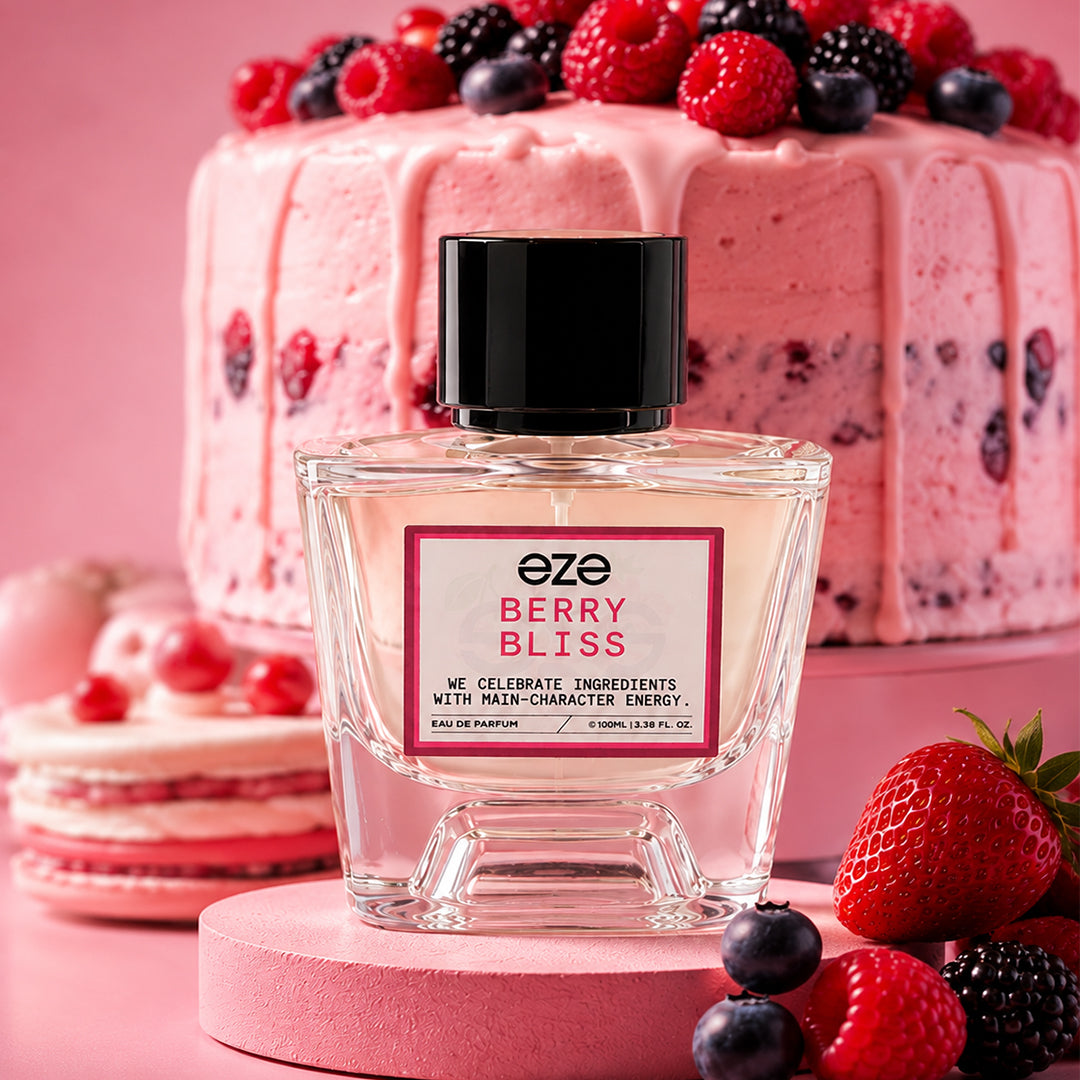
A fruity floral puts fruit notes over the flowers, usually berry, peach or apple. It reads lighter and more playful, and it is the most common construction in women's fragrance because the fruit gives an appealing opening and the florals give it staying power.
It's remarkably well-balanced — saffron as the cœur, with every supporting note deferring to it perfectly.
I love my wife more when she applies this perfume,:D. jokes apart, I think you guys have created a banger as the mixture of ingredients really compliments the saffron exceptionally well.
As per my expectations, it's good , longlasting
Complete as per my expectations and 100% value for money
A perfume with 5 star rating 😍
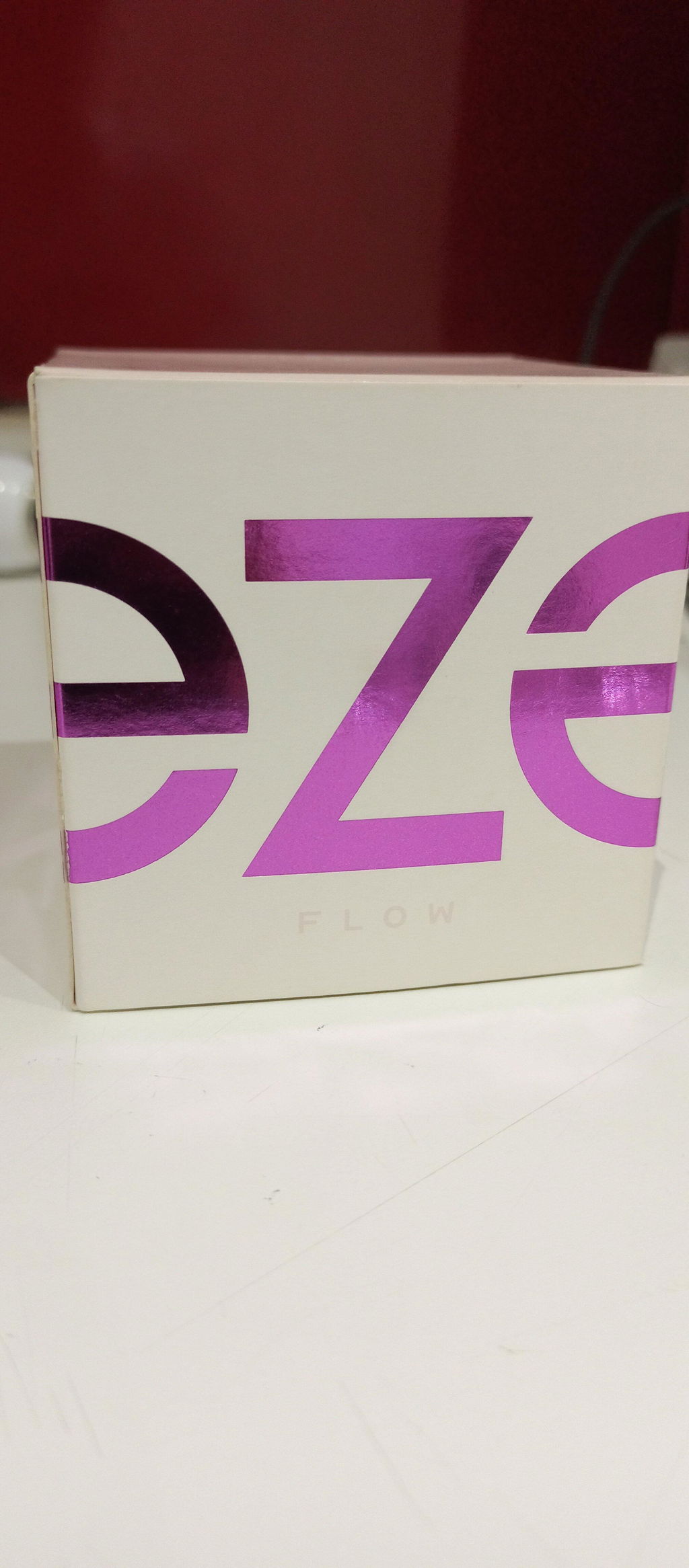
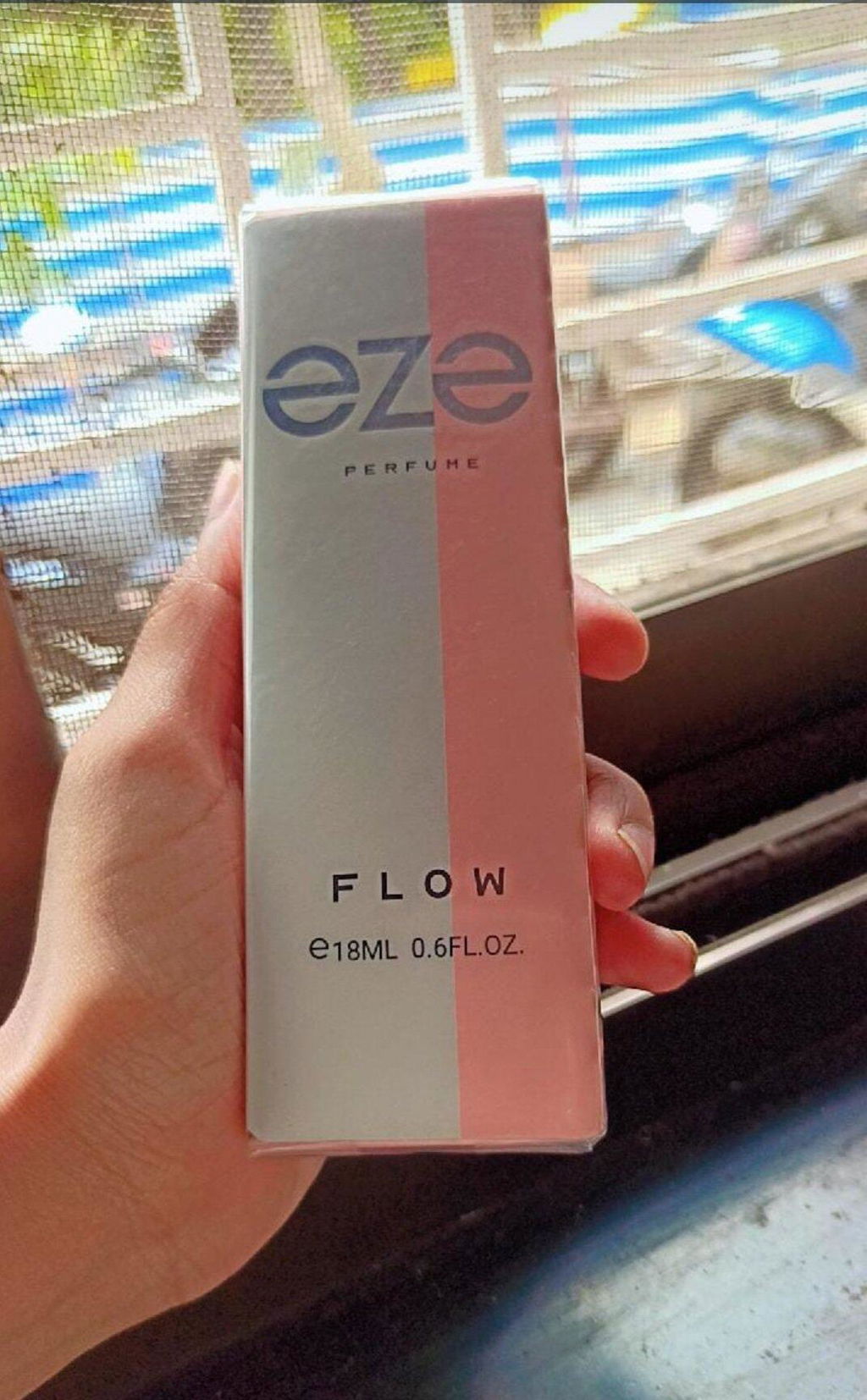
My new obsession is Flow
The bottle was the first factor and the scent was the 2nd one. Gifted it to my sister and now she never declines my qr code requests 🥳.
A fragrance of freshness filled with pulp and calmness. Stays the whole day and projection is just awesome 😎
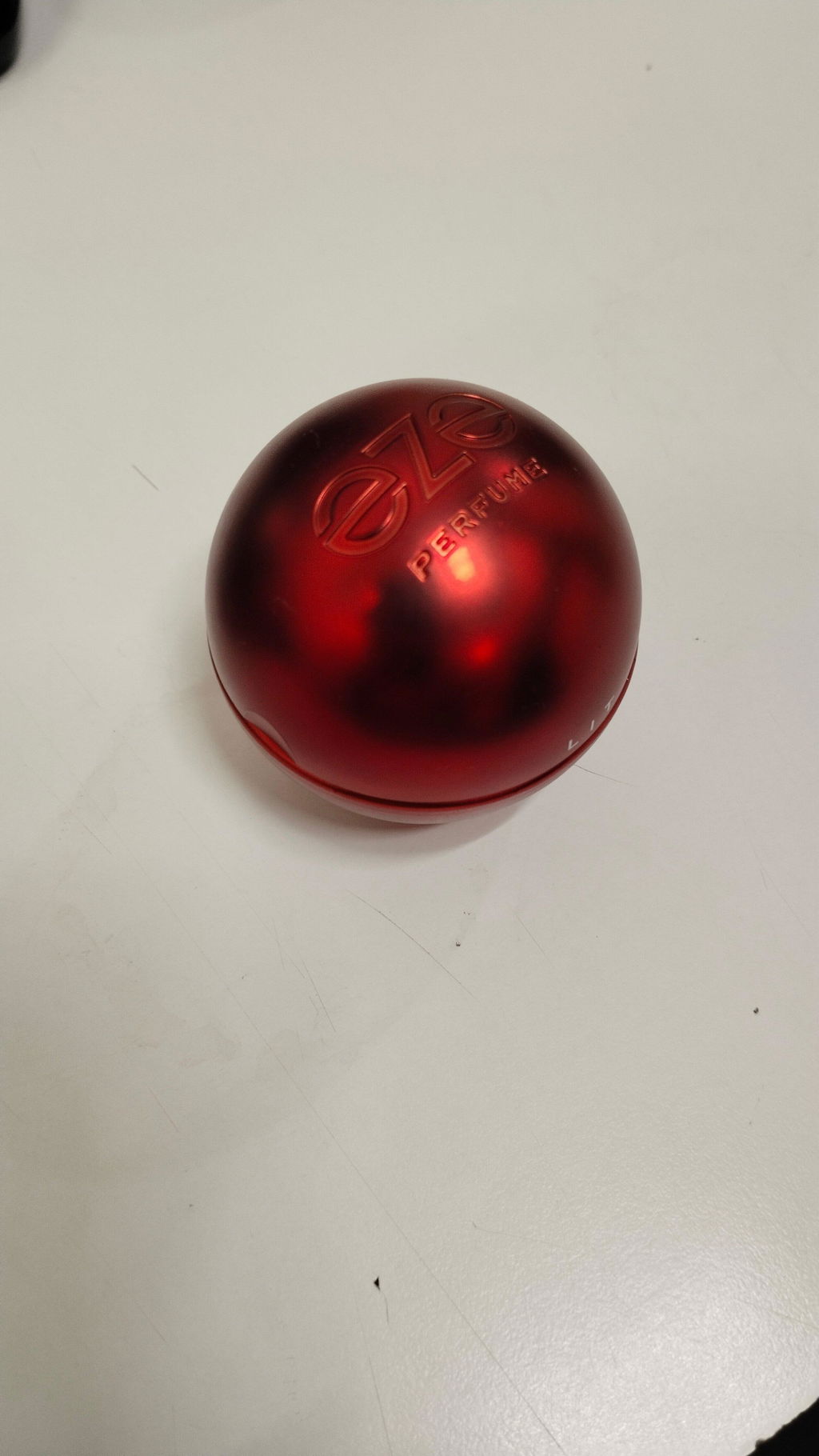
The name says it all 'LIT'. This is has become my everyday confidence in a bottle 😍
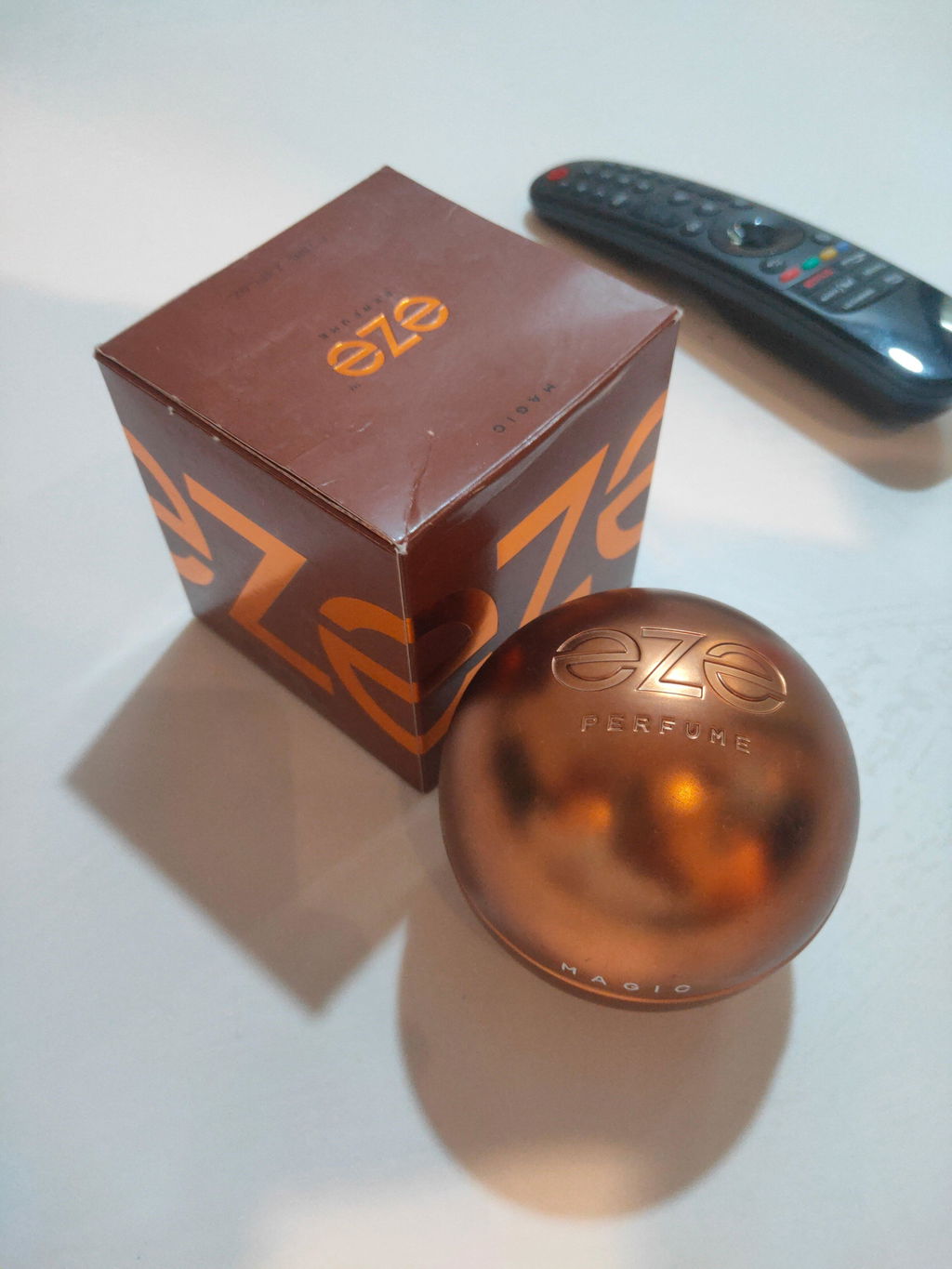
I recently purchased Magic from eze and i am now a fan of this fragrance.
It's very elegant refreshing perfume
And must have in my pocket
I tried Flow on a whim and now always have the 18ml with me.
Musk and Vanilla best combination 🔥
this one may be an acquired taste, but personally, I love it, its an amazing burst of fresh lemony goodness
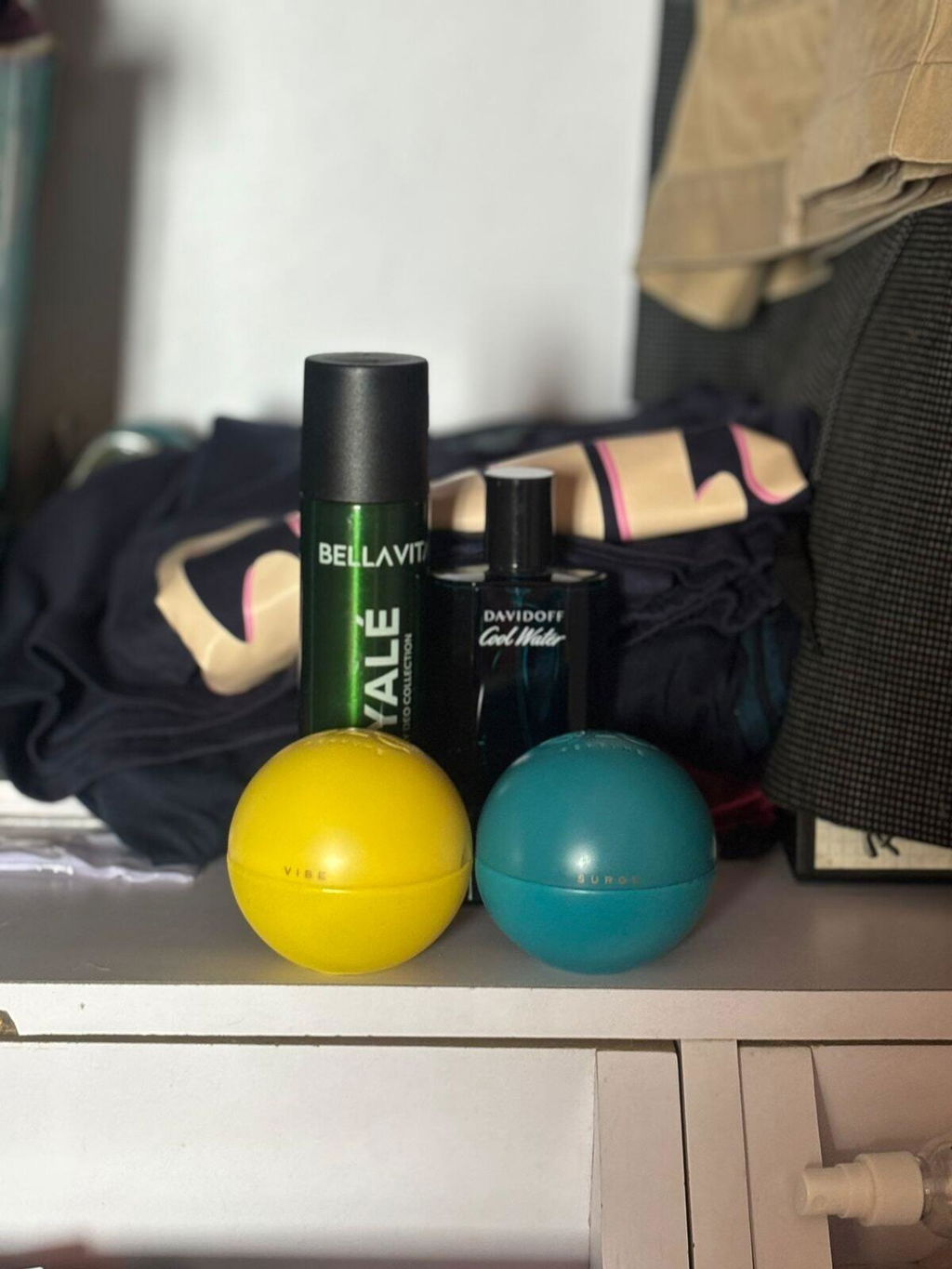
beautiful smelling classic perfume, reminded me of davidoff which i also love

Find us across 2,000 offline stores in India.

Present in 26 cities across India!

India, France, the U.S., the U.K., & More!
Find us across 2,000 offline stores in India.
Present in 26 cities across India!
India, France, the U.S., the U.K., & More!