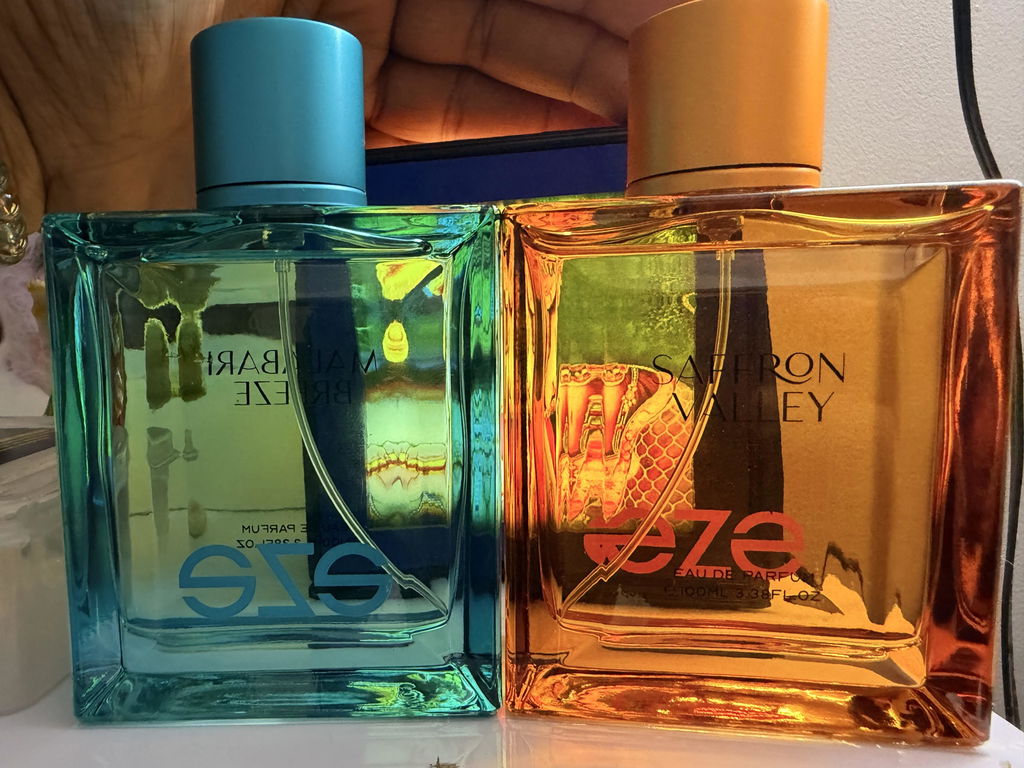
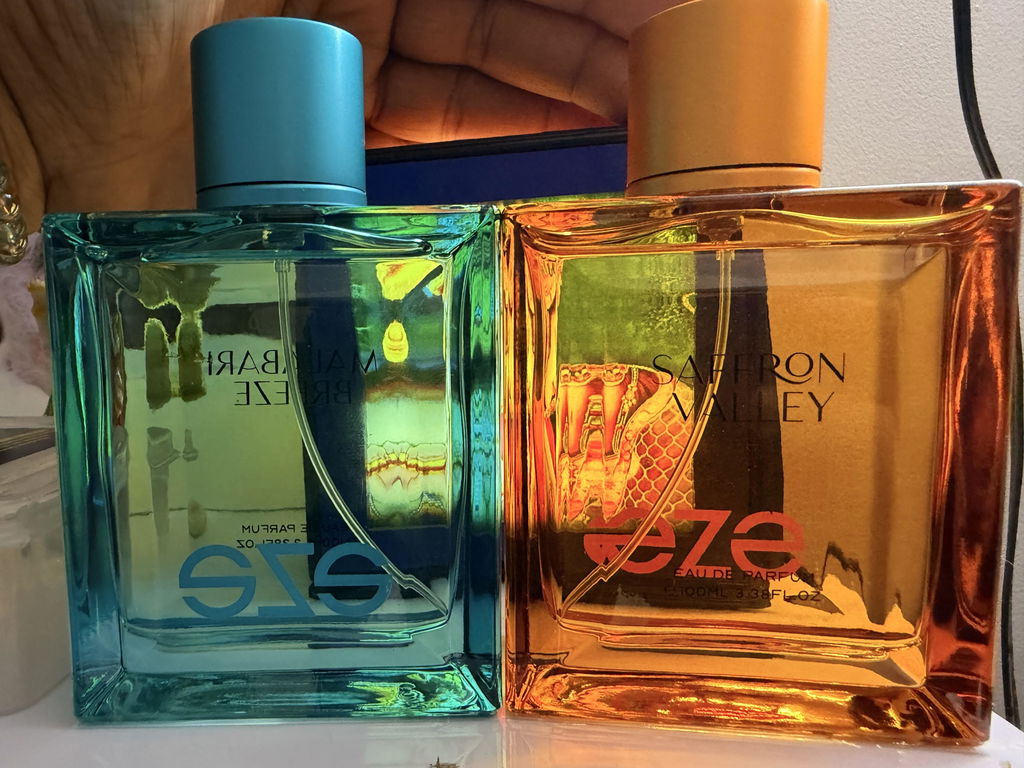
Fresh fragrances are the ones you reach for when it is 38 degrees and anything heavy feels like a mistake. Clean, sharp, marine or green, with the kind of opening that reads as showered rather than perfumed. The catch is that most fresh scents disappear within an hour in Indian heat. These do not, because the freshness sits over a woody base rather than over nothing. Eau de parfum, 6 to 10 hours on skin.
This is the honest problem with the category. Fresh fragrances are built on light, volatile molecules, citrus, marine accords, green notes, and those are exactly the materials that evaporate fastest. Heat accelerates it further. It is why so many people spray something crisp at 8am and smell nothing by 11.
The fix is structural, not a matter of spraying more. A fresh fragrance that lasts in Indian conditions needs a substantial base underneath the freshness: cedarwood, vetiver, guaiac wood, musk or amber. The bright opening does the work for the first hour, and the base carries the rest of the day.
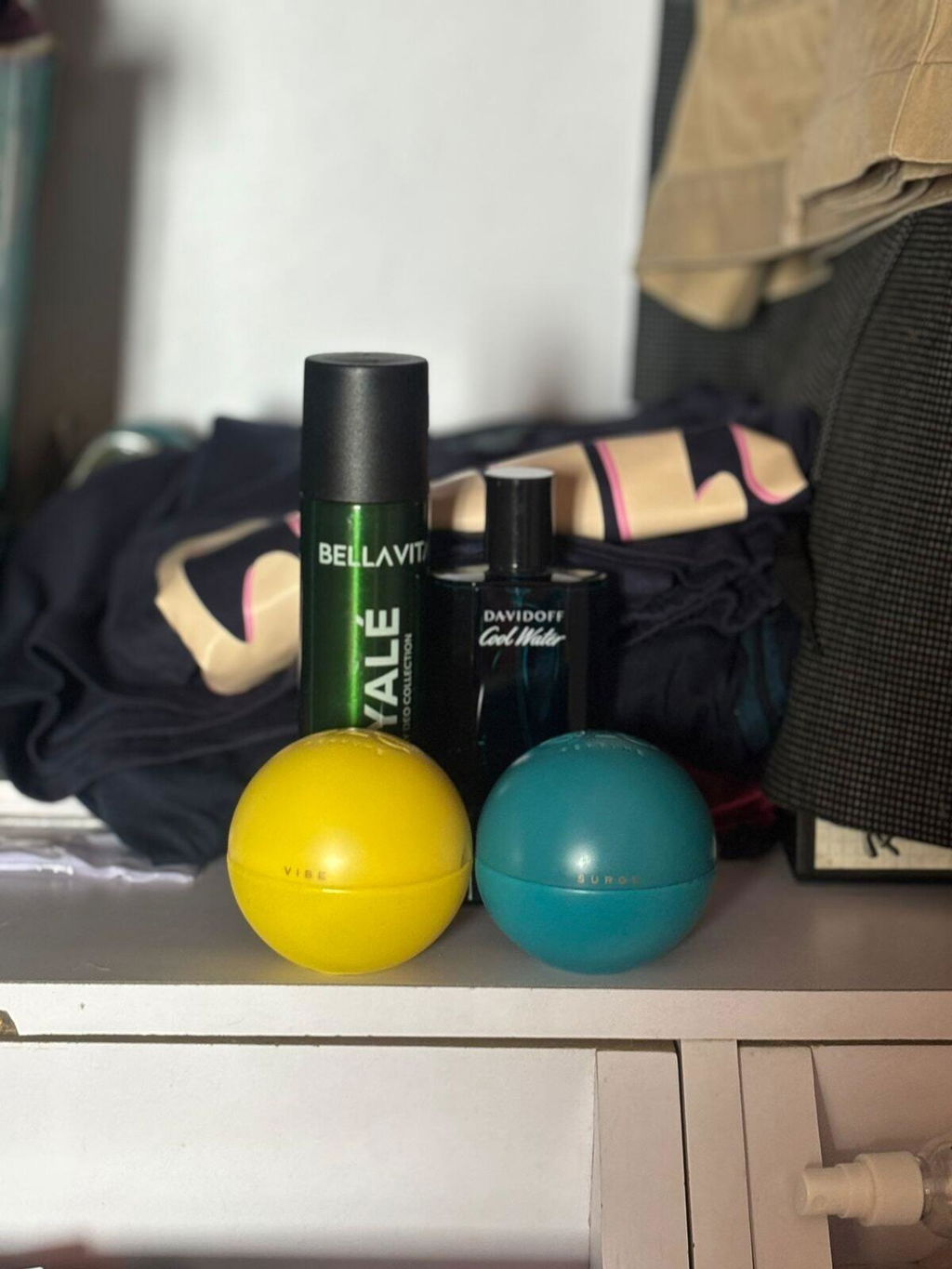
These overlap and they are not identical. Aquatic describes the sea-breeze and melon character created largely by a material called calone, which is what defined the entire category when Davidoff's Cool Water arrived in 1988. Marine is the saltier, more mineral end of the same idea. Citrus is lemon, bergamot and grapefruit, sharper and even shorter lived. Fresh is the umbrella word covering all of it, plus green and herbal notes.
If you like the idea of an aquatic but have been disappointed by how quickly they fade, look for one with woods in the base rather than a pure marine composition.
Three sprays rather than two, because fresh fragrances project less than gourmands and orientals. Exposed skin is fine here, unlike with heavy scents. And one spray on a shirt collar, because fabric holds fragrance for days where skin holds it for hours. That single trick is the difference between a fresh scent lasting until lunch and lasting until evening.
A fragrance built on clean, light notes: citrus, marine and aquatic accords, green notes and herbs. It is the umbrella term covering aquatic, citrus and green families, and it describes fragrances that read as crisp rather than warm.
A fragrance built around a sea-breeze accord, usually created with a material called calone which smells of melon and ocean air. The category was effectively invented by Davidoff Cool Water in 1988 and most fresh masculine fragrances since have followed its template.
Because fresh fragrances are built on light, volatile molecules that evaporate quickly, and Indian heat accelerates that. The solution is a fresh fragrance with a woody or musky base rather than a pure citrus or marine composition, so there is something left after the opening fades.
A fresh or aquatic eau de parfum with woods in the base. Avoid pure citrus, which will not last, and go easy on heavy gourmands, which amplify in heat. Three sprays, and one on a shirt collar.
Largely yes. Aquatic, citrus and green notes are among the least gendered materials in perfumery, which is why so many fresh fragrances are sold as unisex.
Three, and you can reapply at midday without it becoming overwhelming. Fresh fragrances project less than gourmands, so they take a slightly heavier hand.
It's remarkably well-balanced — saffron as the cœur, with every supporting note deferring to it perfectly.
I love my wife more when she applies this perfume,:D. jokes apart, I think you guys have created a banger as the mixture of ingredients really compliments the saffron exceptionally well.
As per my expectations, it's good , longlasting
Complete as per my expectations and 100% value for money
A perfume with 5 star rating 😍
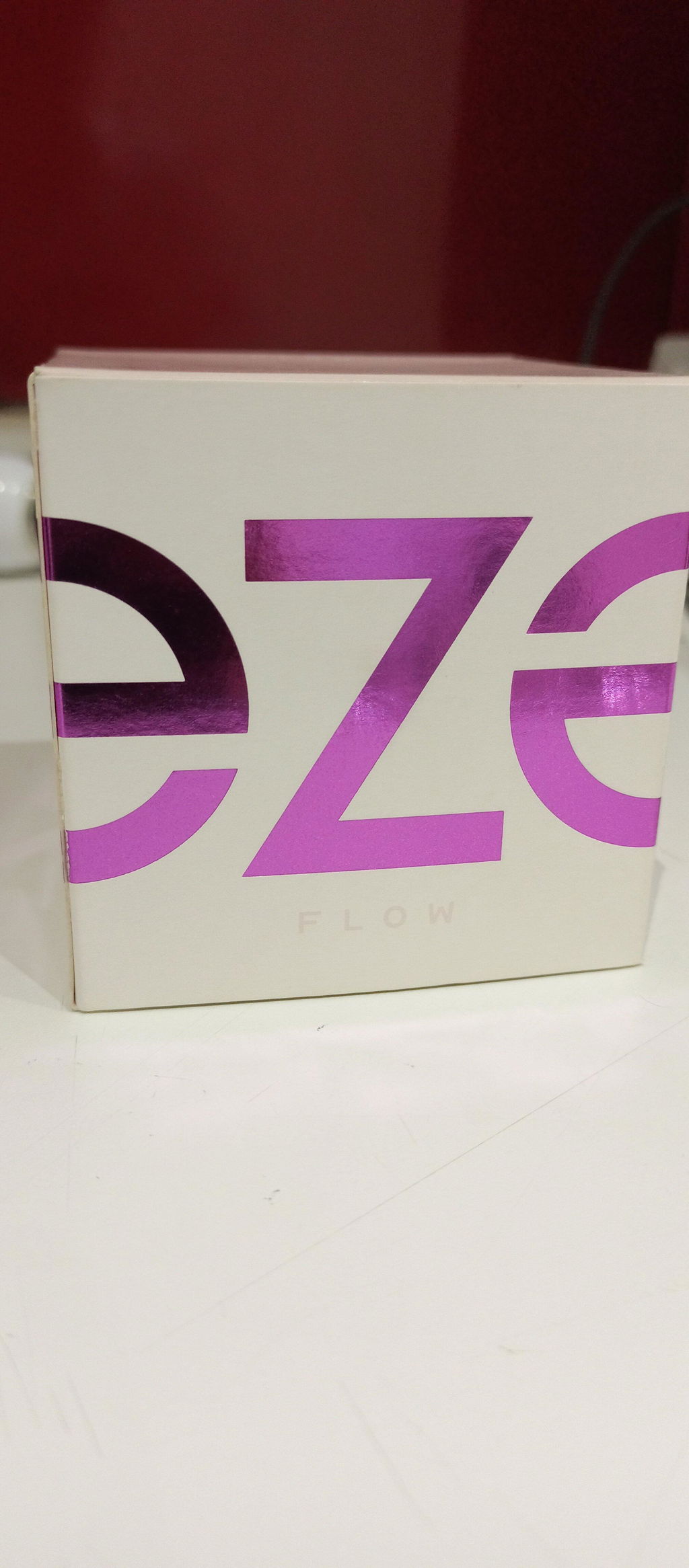
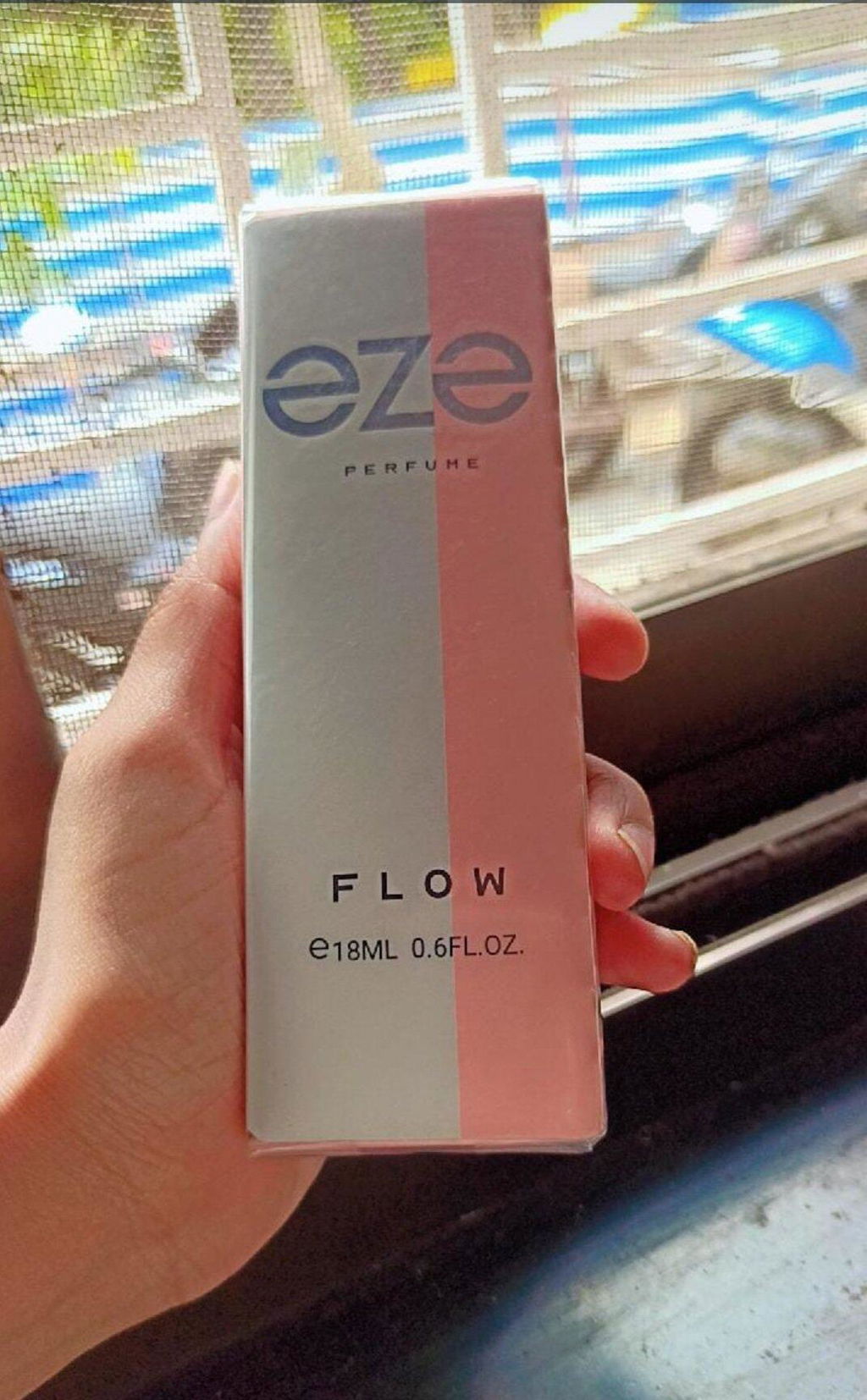
My new obsession is Flow
The bottle was the first factor and the scent was the 2nd one. Gifted it to my sister and now she never declines my qr code requests 🥳.
A fragrance of freshness filled with pulp and calmness. Stays the whole day and projection is just awesome 😎
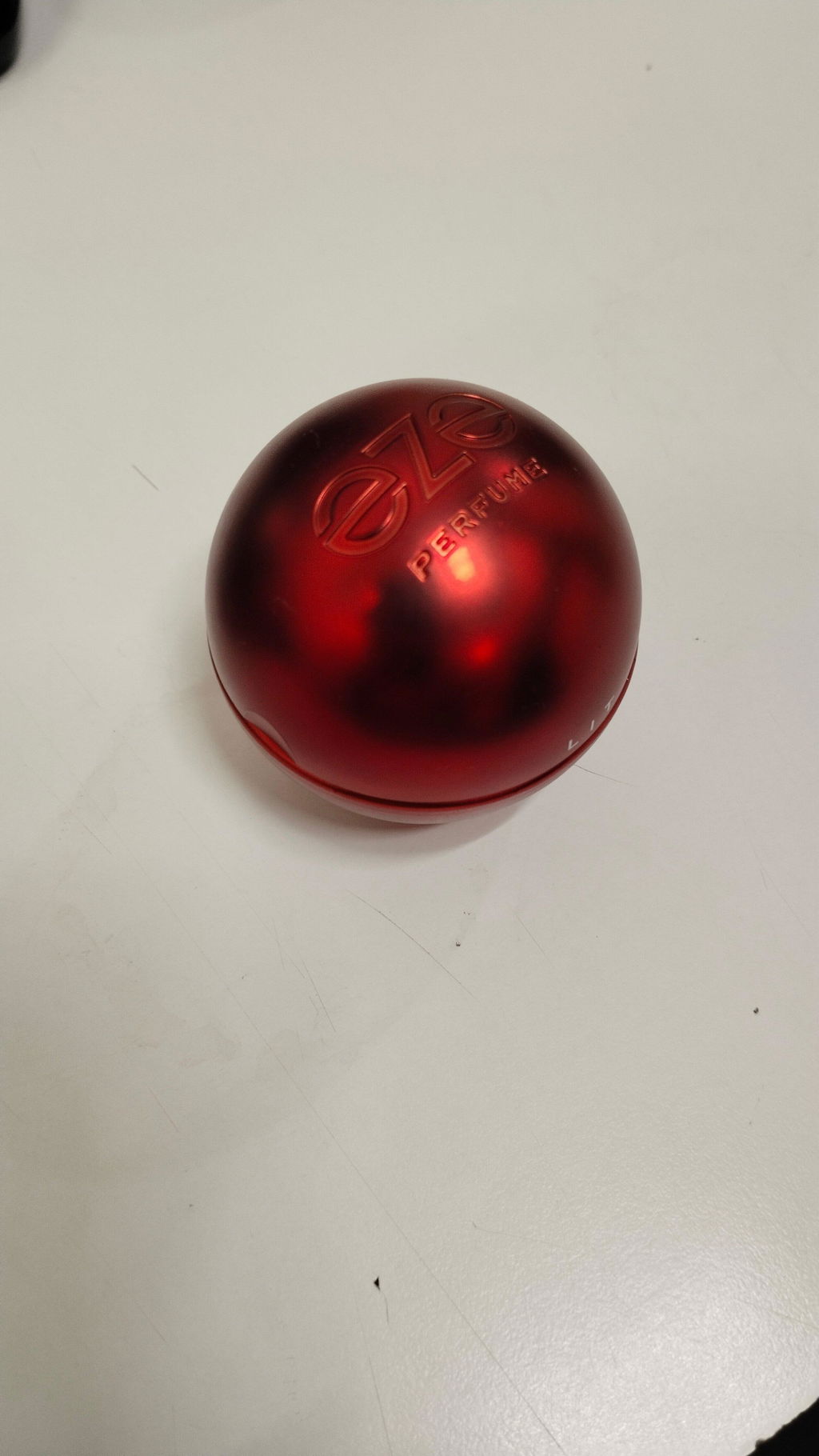
The name says it all 'LIT'. This is has become my everyday confidence in a bottle 😍
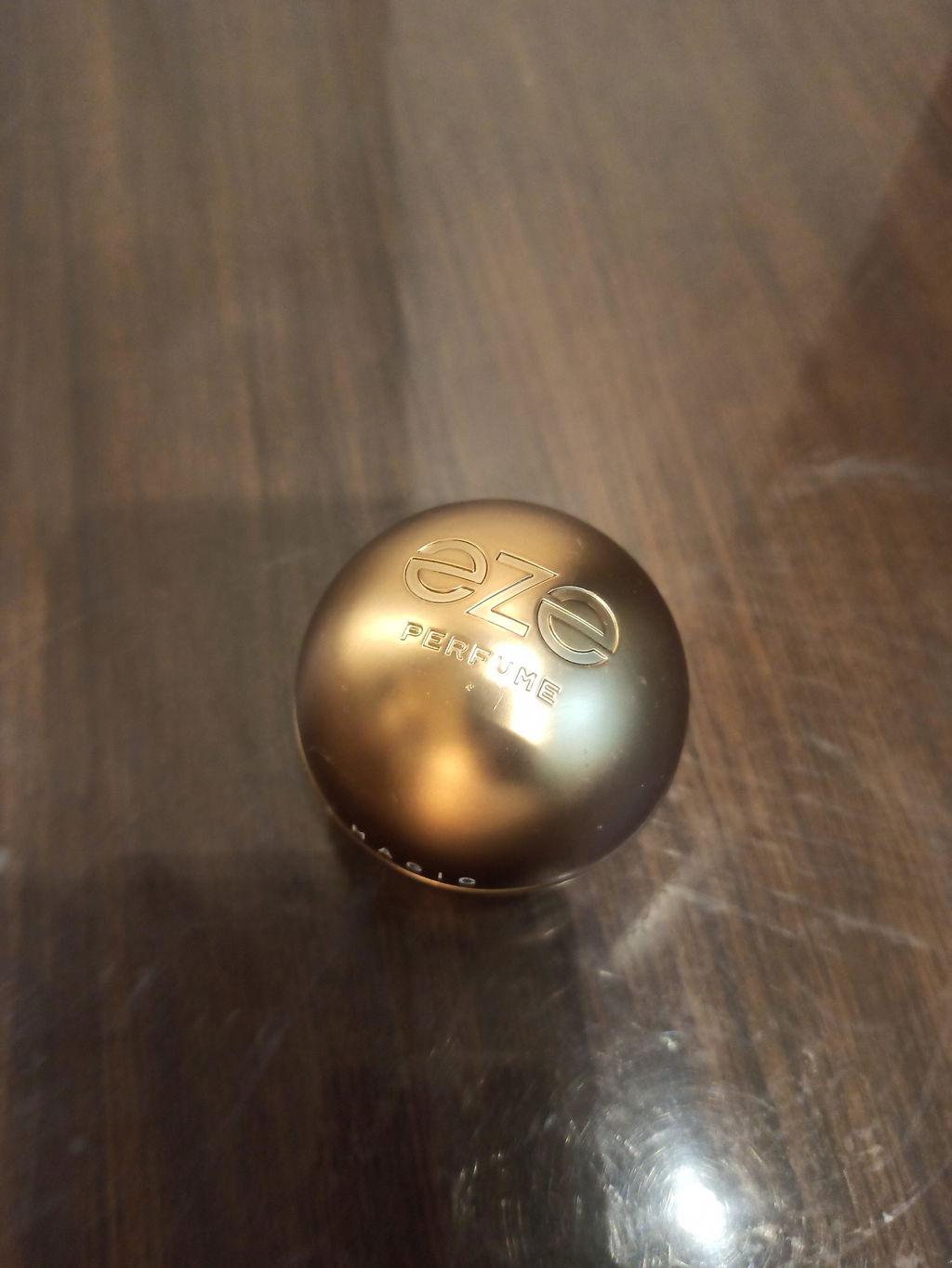
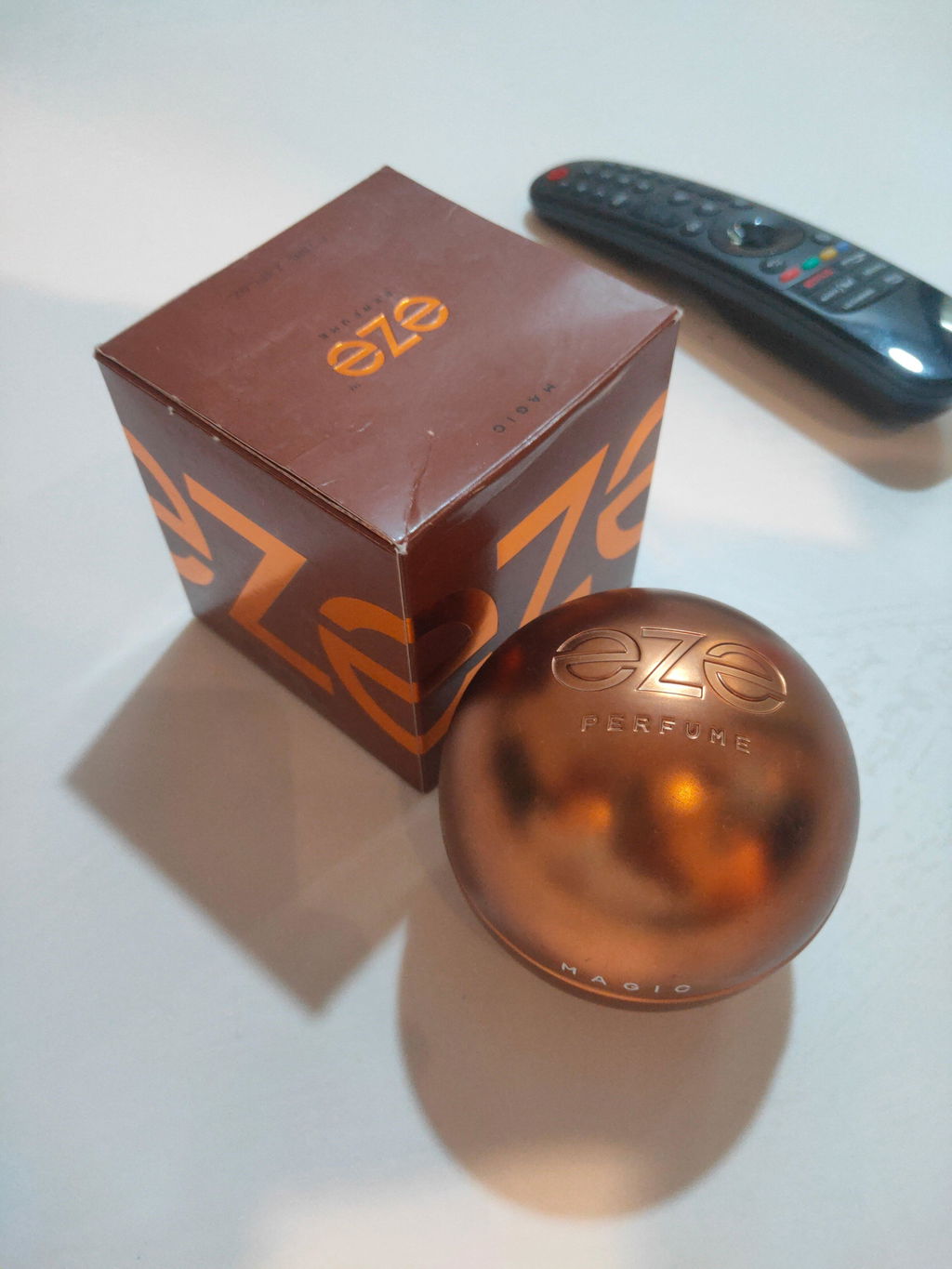
I recently purchased Magic from eze and i am now a fan of this fragrance.
It's very elegant refreshing perfume
And must have in my pocket
I tried Flow on a whim and now always have the 18ml with me.
Musk and Vanilla best combination 🔥
this one may be an acquired taste, but personally, I love it, its an amazing burst of fresh lemony goodness
beautiful smelling classic perfume, reminded me of davidoff which i also love

Find us across 2,000 offline stores in India.

Present in 26 cities across India!

India, France, the U.S., the U.K., & More!
Find us across 2,000 offline stores in India.
Present in 26 cities across India!
India, France, the U.S., the U.K., & More!