Oud is the deepest, most persistent note in perfumery. Resinous, smoky and slightly animalic, it is the backbone of Arabic perfumery and of the Indian attar tradition that predates it. Worn well it does not shout, it lingers. Every Eze oud fragrance is eau de parfum, built to run 6 to 10 hours on skin in Indian heat, and made for the occasions where you want to be remembered rather than merely noticed.
Oud, also spelled oudh, is the resin formed inside agarwood trees when they respond to infection. It is one of the most expensive raw materials in the world, and it smells like nothing else: woody and resinous at the base, smoky and leathery through the middle, with a warm animalic depth that most people either love immediately or need a few wears to understand.
Because real agarwood is so costly, most oud fragrances at any accessible price point use a carefully built oud accord rather than pure oud oil. That is normal and it is not a compromise. A well constructed accord holds its shape over ten hours where a poorly used natural oil can turn flat.
These three get used interchangeably in India and they are not the same. Attar is the traditional oil-based perfume, applied in small quantities and worn close to the skin. Arabic perfume usually describes the Middle Eastern style, oud and rose and amber, in a spray format. An oud perfume is any composition where oud is the defining note, in whatever format.
Eze's oud fragrances are eau de parfum, which means alcohol-based spray rather than oil. They carry the attar tradition's structure, oud with rose, saffron, amber and sandalwood, in a format built for daily wear.
Better than almost anything else. Oud is a heavy base material, so heat opens it up rather than evaporating it away, and humidity holds it against the skin. Two sprays is enough in summer. Three in winter. Apply to covered skin, because oud projects further than people expect.
Woody and resinous with a smoky, leathery depth and a warm animalic quality underneath. It is richer and heavier than sandalwood or cedar, and it lasts considerably longer.
Attar describes the format, a traditional oil-based perfume worn close to the skin. Oud describes the note. An attar may or may not contain oud, and an oud perfume may be an alcohol-based spray rather than an oil.
Both. Oud is not gendered in either Arabic or Indian perfumery. What changes the reading is what sits with it: rose and saffron push it richer, leather and birch push it drier.
Eze oud eau de parfum is tested at 6 to 10 hours on skin, and considerably longer on fabric. Oud is a heavy base material, which is why it outlasts fresh and citrus fragrances by a wide margin.
Yes, though use less of it. Heat opens up heavy base notes rather than destroying them, so oud performs well, but it also projects more. Two sprays in summer rather than three.
Two is usually enough. Oud has a large projection radius and it builds through the day rather than fading. Apply to the base of the neck or the chest rather than the wrists.
It's remarkably well-balanced — saffron as the cœur, with every supporting note deferring to it perfectly.
I love my wife more when she applies this perfume,:D. jokes apart, I think you guys have created a banger as the mixture of ingredients really compliments the saffron exceptionally well.
As per my expectations, it's good , longlasting
Complete as per my expectations and 100% value for money
A perfume with 5 star rating 😍
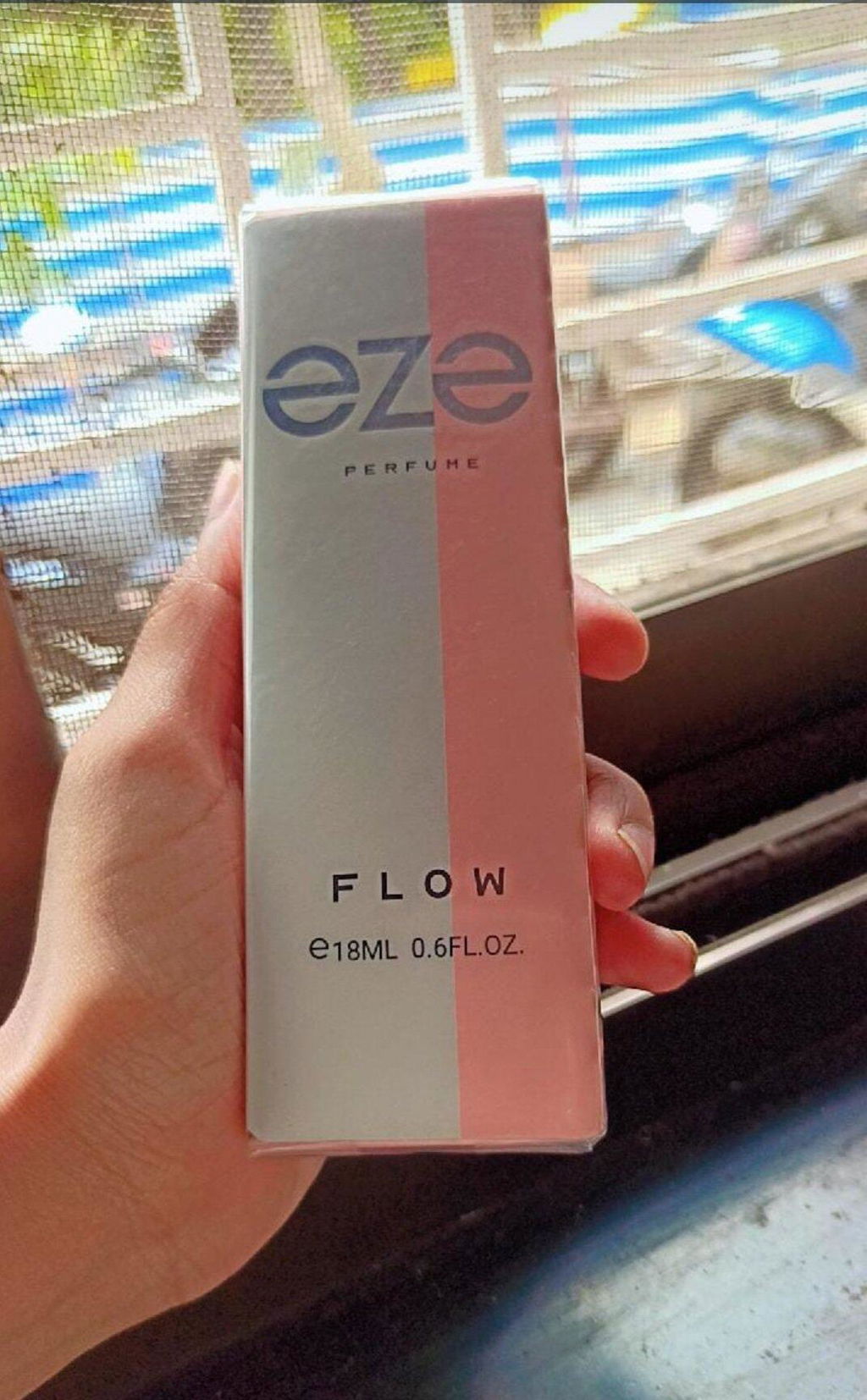
My new obsession is Flow
The bottle was the first factor and the scent was the 2nd one. Gifted it to my sister and now she never declines my qr code requests 🥳.
A fragrance of freshness filled with pulp and calmness. Stays the whole day and projection is just awesome 😎
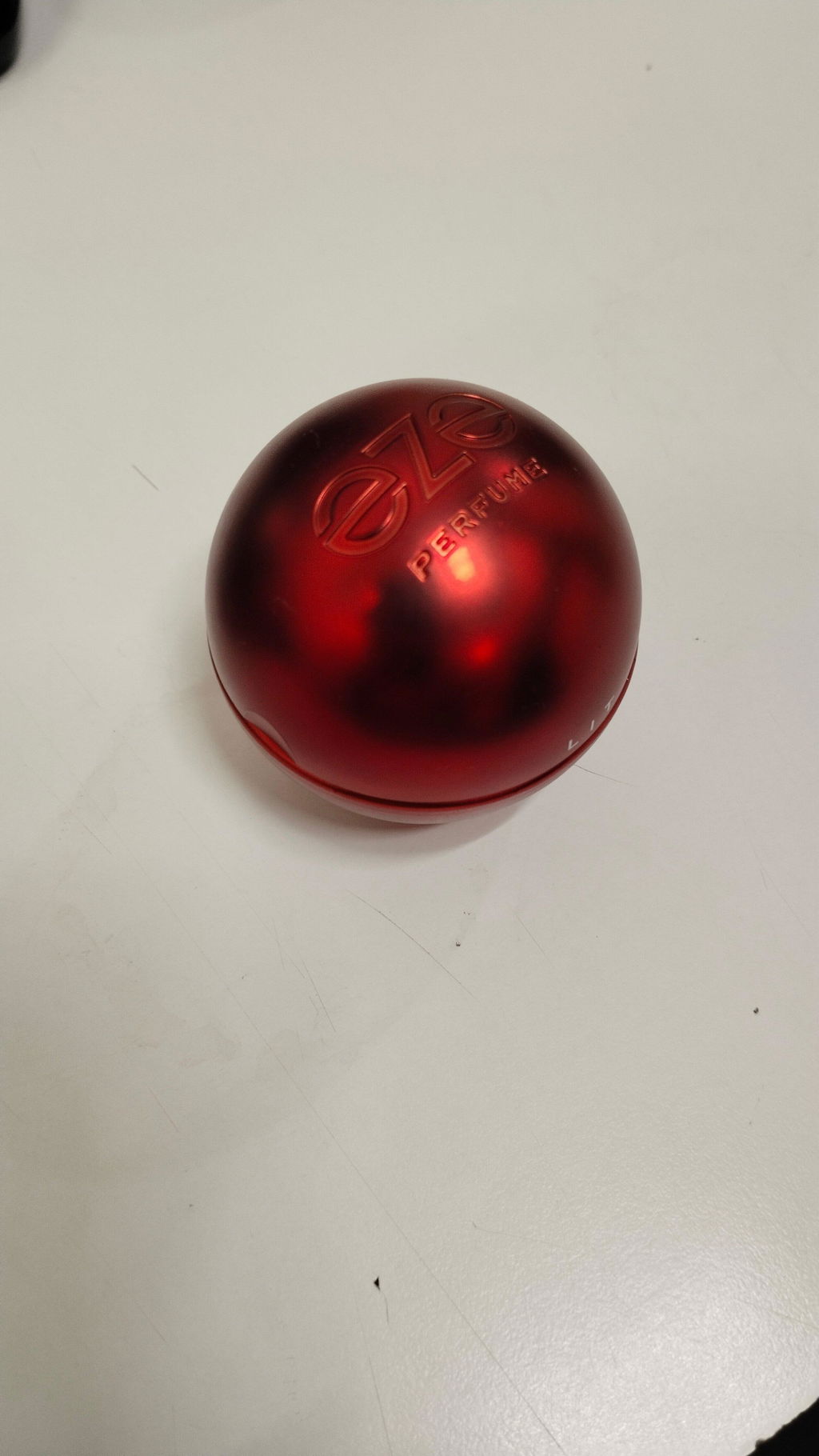
The name says it all 'LIT'. This is has become my everyday confidence in a bottle 😍
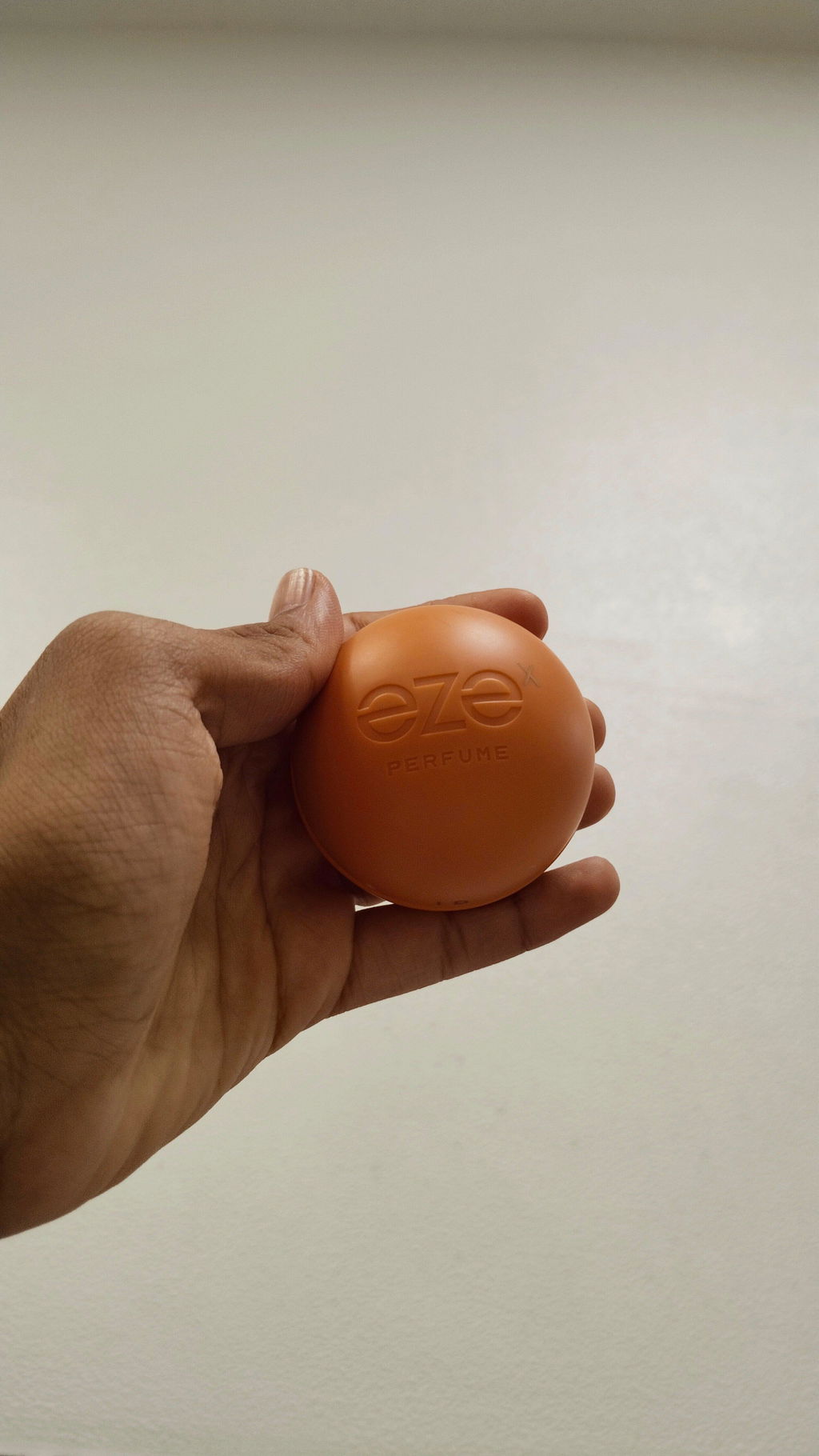
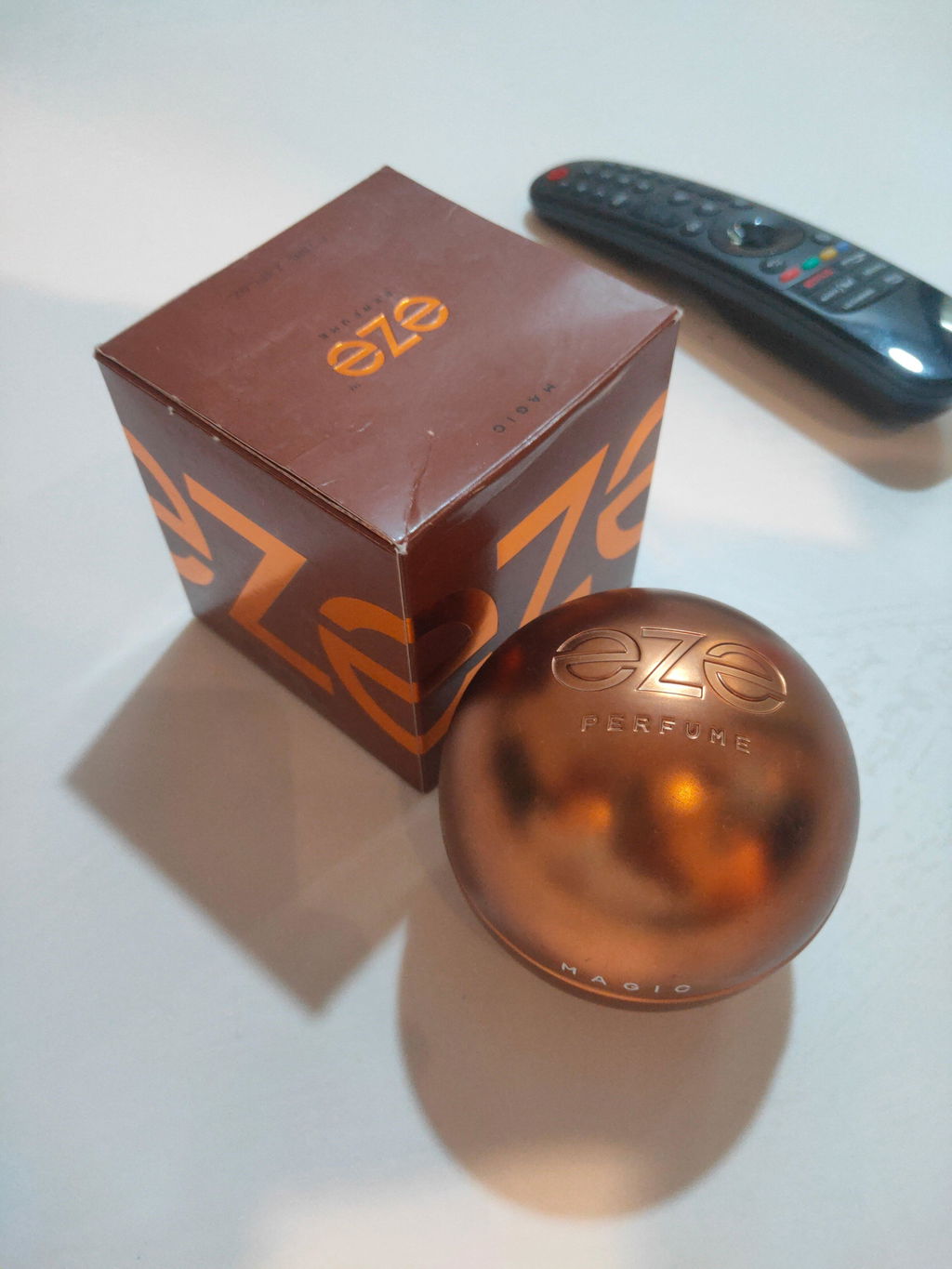
I recently purchased Magic from eze and i am now a fan of this fragrance.
It's very elegant refreshing perfume
And must have in my pocket
I tried Flow on a whim and now always have the 18ml with me.
Musk and Vanilla best combination 🔥
this one may be an acquired taste, but personally, I love it, its an amazing burst of fresh lemony goodness
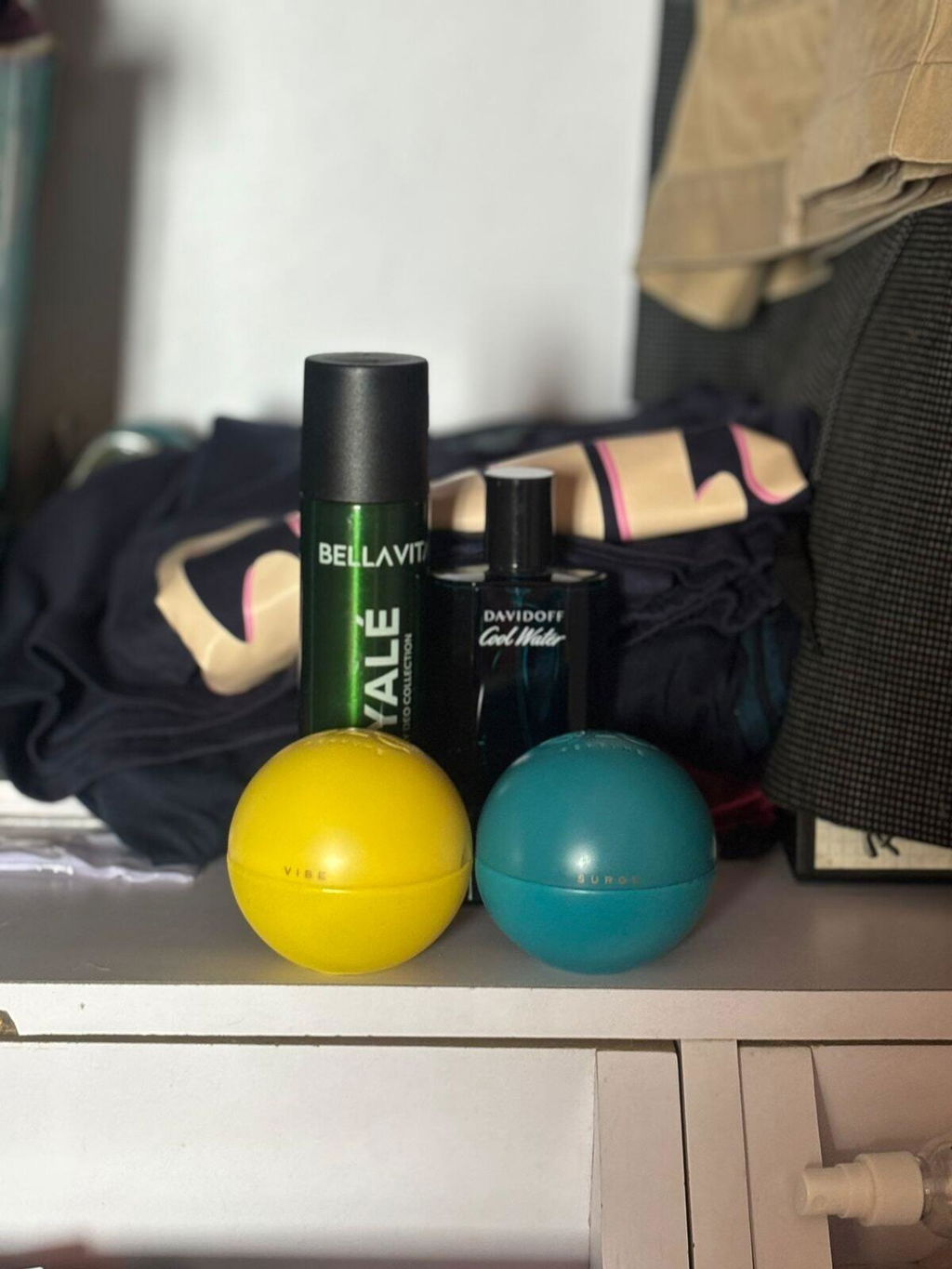
beautiful smelling classic perfume, reminded me of davidoff which i also love

Find us across 2,000 offline stores in India.

Present in 26 cities across India!

India, France, the U.S., the U.K., & More!
Find us across 2,000 offline stores in India.
Present in 26 cities across India!
India, France, the U.S., the U.K., & More!