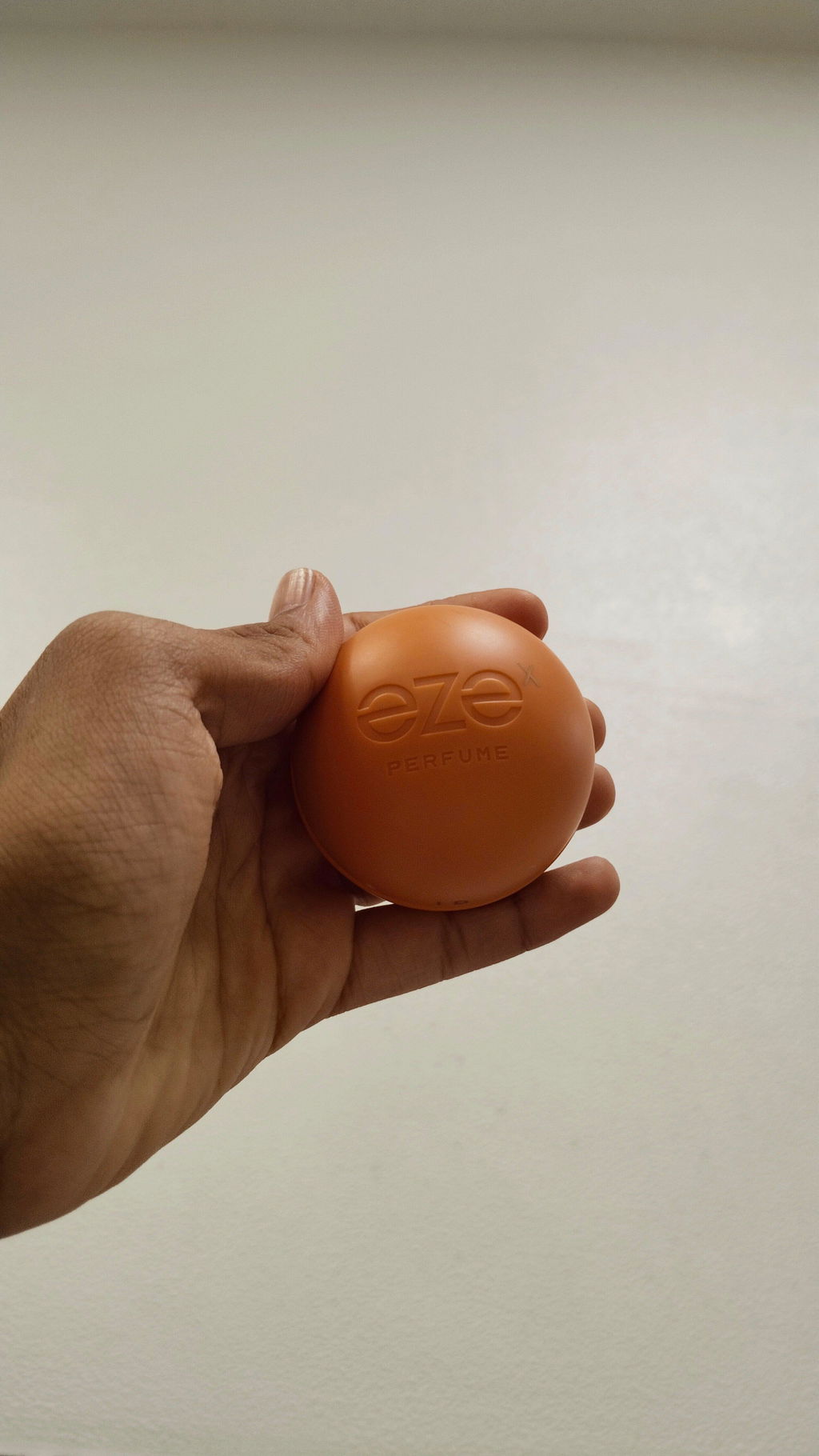
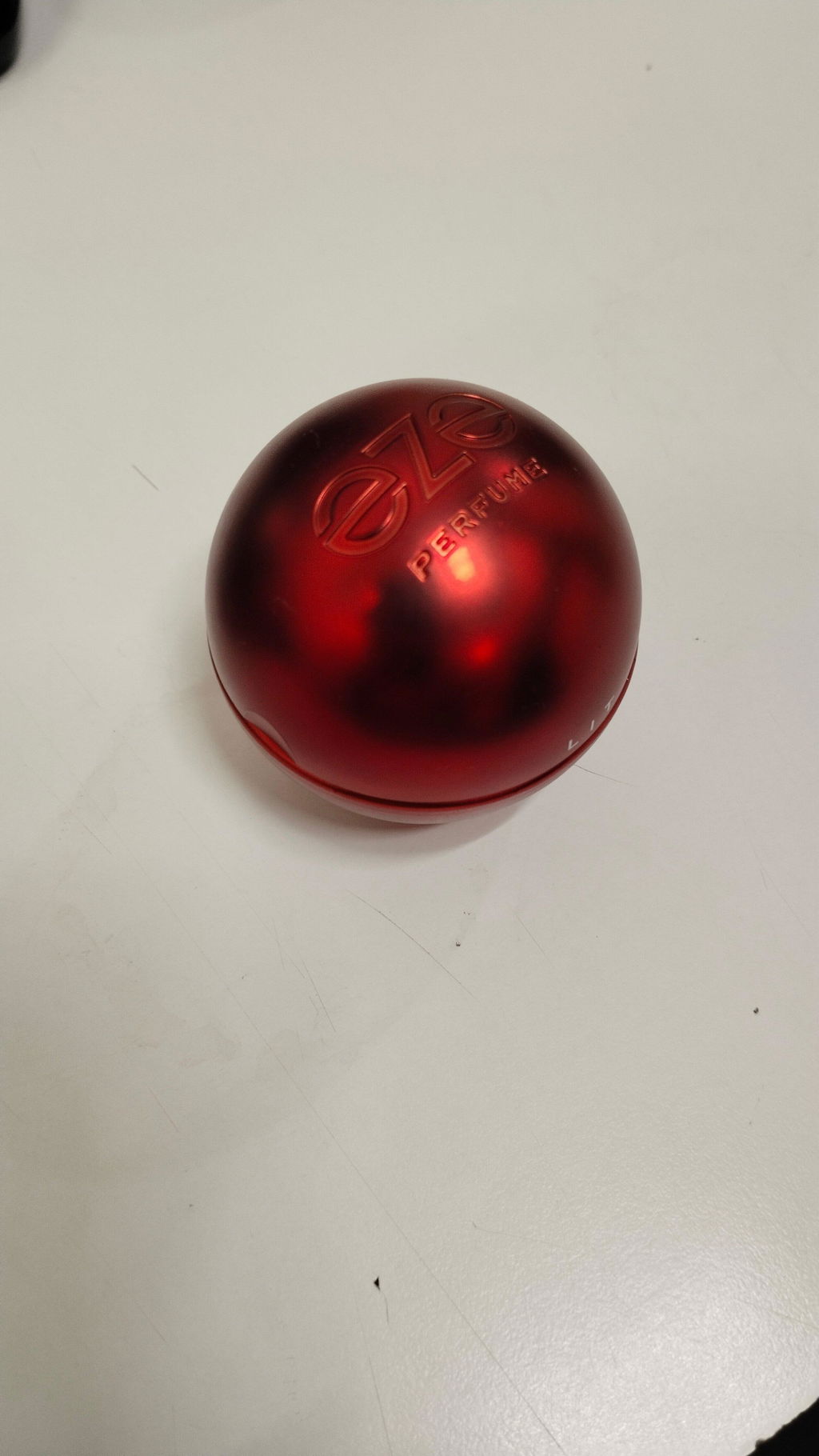
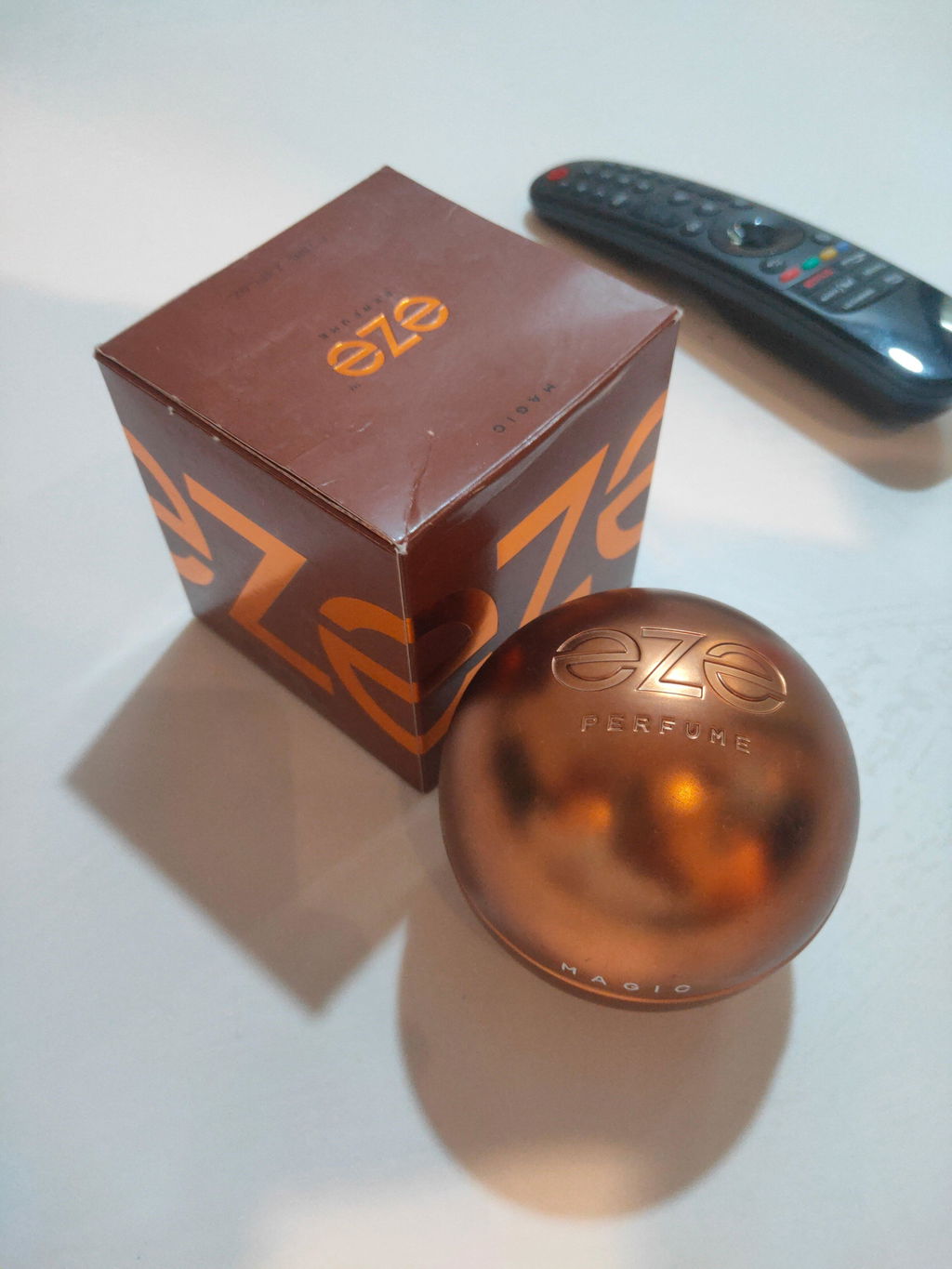
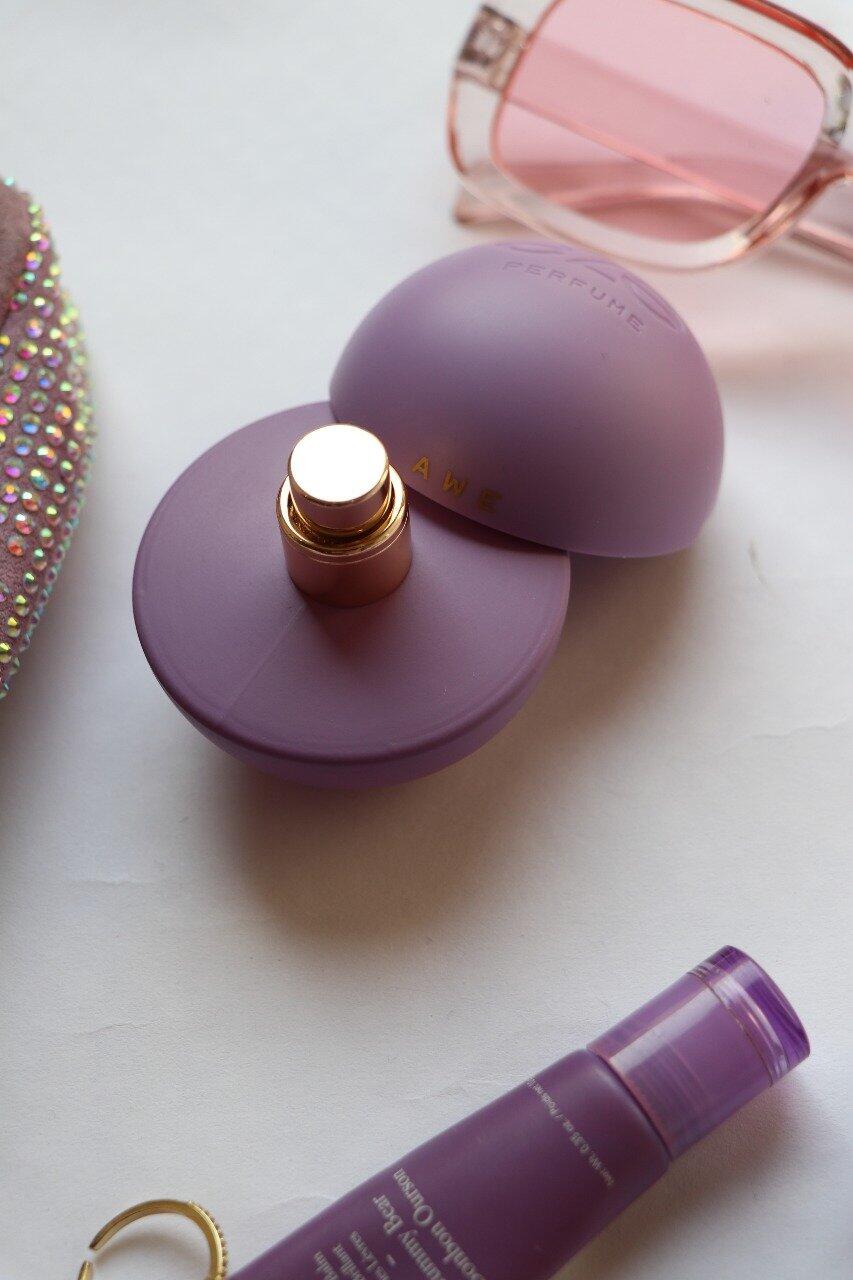
A gourmand is a fragrance built around notes you would normally eat. Vanilla, caramel, marshmallow, coconut, praline. Not a food smell, but the warmth and comfort of dessert built into a wearable perfume. It is the fastest growing fragrance family in India, and it happens to suit the climate, because the heavy base notes that define it survive heat where light citrus does not. All eau de parfum, 6 to 10 hours on skin.
The family did not exist before 1992, when Thierry Mugler's Angel built a fragrance on caramel, praline and chocolate over patchouli and created a category that had no name. Every gourmand since owes something to that structure: an edible sweet accord in the heart, anchored by something dark and earthy underneath so the sweetness has a floor to sit on.
That anchor is what separates a good gourmand from a cheap one. Patchouli, tobacco, saffron, woods or burnt caramel. If a note list is sweet at the top, sweet in the middle and sweet at the bottom, the fragrance will feel flat within an hour.
Sweet describes intensity. Gourmand describes structure. A sugared rose is sweet but floral. A dry tobacco and vanilla composition is gourmand but barely sweet at all. If you have avoided this family because you assumed it would be sugary, what you actually dislike is a high-sugar top note, and plenty of gourmands do not have one.
Better than most people expect. Vanilla, ambergris, musk and patchouli are heavy, slow-evaporating molecules, so heat opens them up rather than burning them off. Humidity holds them close to the skin and extends them further.
The trade-off is projection. The same two sprays that feel correct in an air-conditioned room at 8am will read considerably louder on a platform at 2pm. Two sprays in summer, three in winter, and apply to covered skin rather than exposed wrists.
A fragrance built around notes that smell edible, most often vanilla, caramel, chocolate, coffee, almond or marshmallow. The word is French and describes someone who enjoys food. In perfumery it names a family, in the same way floral and woody do.
No. Sweet describes how intense the sugar reads. Gourmand describes the structure. A sugared floral is sweet but not gourmand, and a dark tobacco and vanilla scent is gourmand but not especially sweet.
No. The family is not gendered, though the marketing often is. Gourmands built on tobacco, coffee, woods and leather read as traditionally masculine, and vanilla is one of the fastest growing notes in men's fragrance in India.
Yes, because the notes that define them sit in the base. Vanilla, ambergris, musk and patchouli are heavy materials. Eze gourmands are tested at 6 to 10 hours on skin.
Yes, at two sprays on covered skin, and more comfortably if you choose one with a dry opening. A gourmand where the sweetness sits in the base and the top notes are citrus or spice does not announce itself.
Vanilla, ambergris, musk, patchouli, sandalwood and tonka. All are heavy base materials that heat opens up rather than destroys.
It's remarkably well-balanced — saffron as the cœur, with every supporting note deferring to it perfectly.
I love my wife more when she applies this perfume,:D. jokes apart, I think you guys have created a banger as the mixture of ingredients really compliments the saffron exceptionally well.
As per my expectations, it's good , longlasting
Complete as per my expectations and 100% value for money
A perfume with 5 star rating 😍
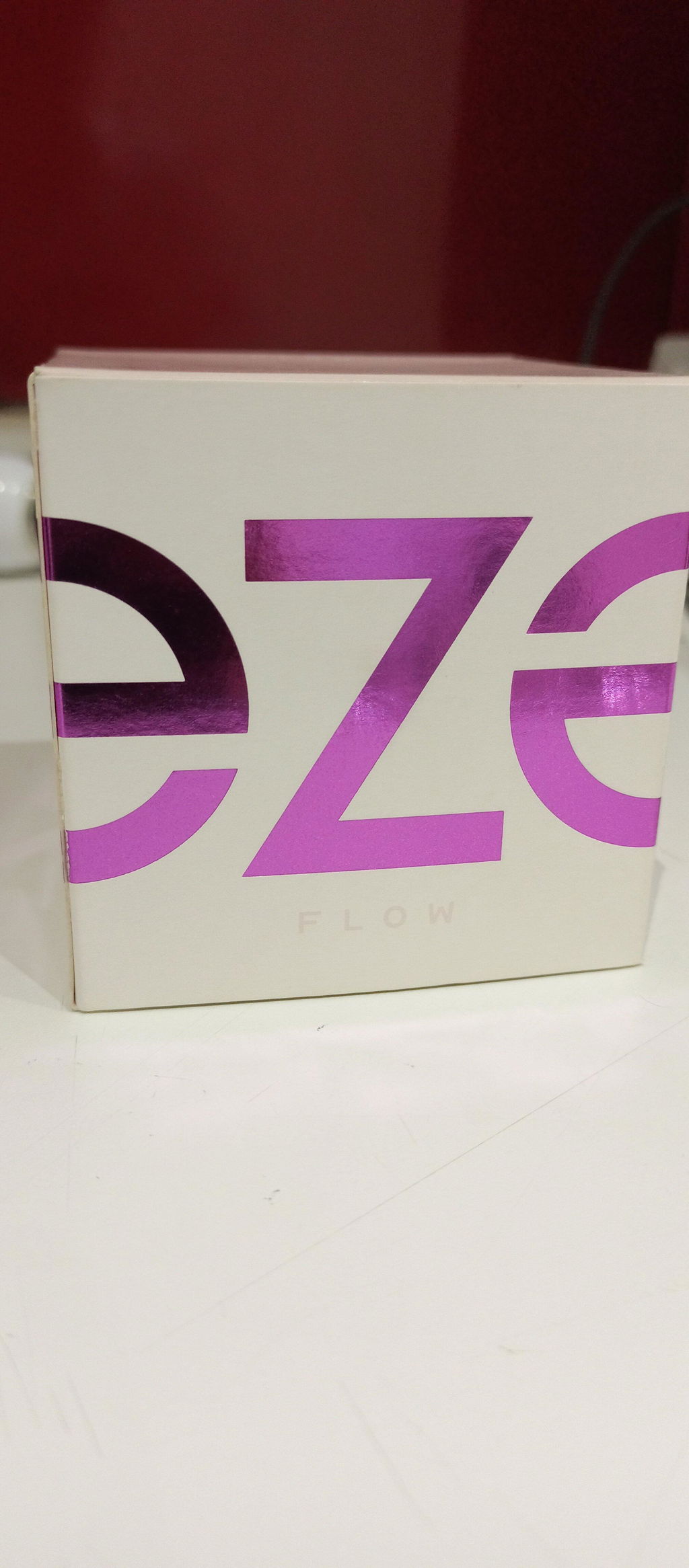
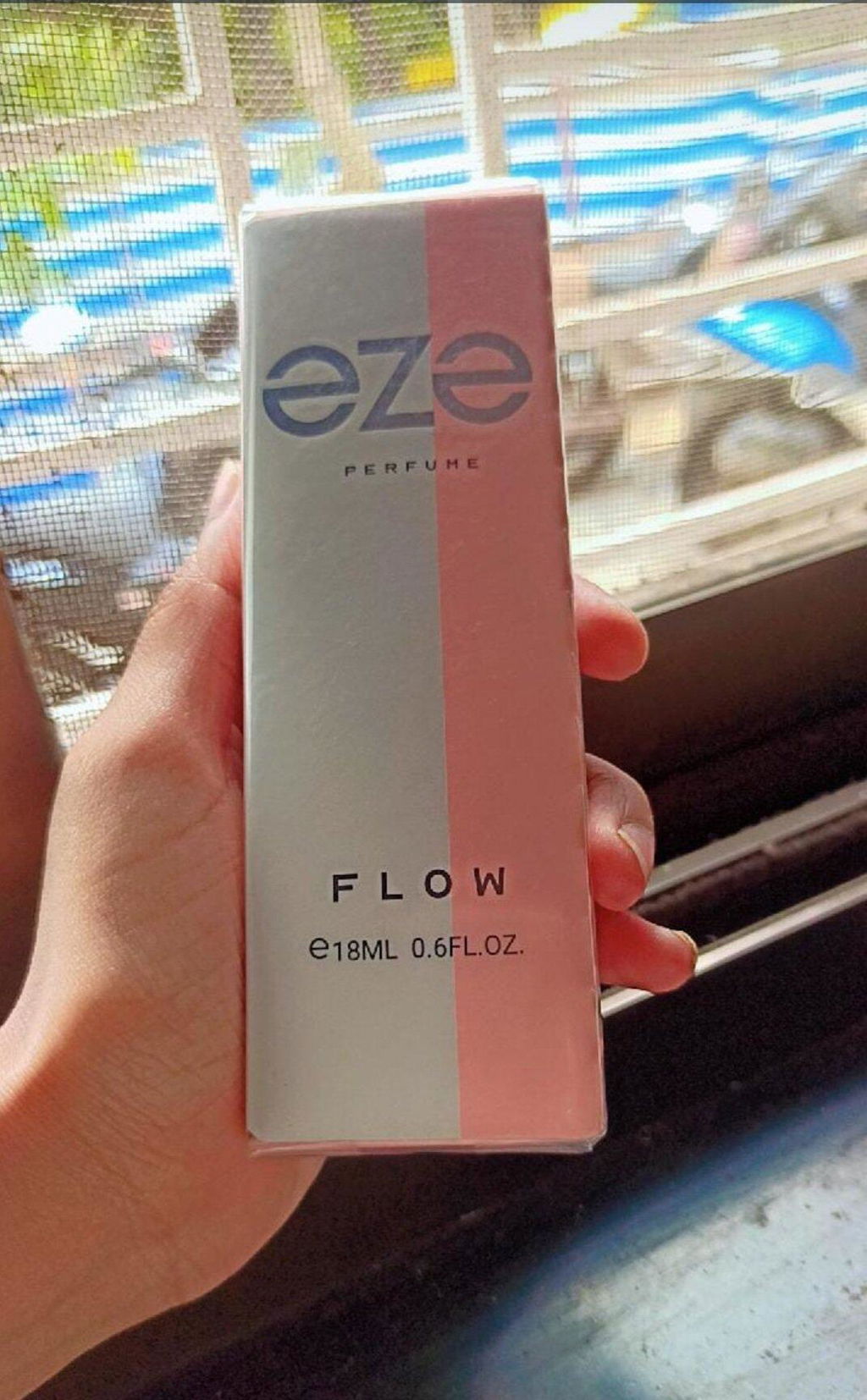
My new obsession is Flow
The bottle was the first factor and the scent was the 2nd one. Gifted it to my sister and now she never declines my qr code requests 🥳.
A fragrance of freshness filled with pulp and calmness. Stays the whole day and projection is just awesome 😎
The name says it all 'LIT'. This is has become my everyday confidence in a bottle 😍
I recently purchased Magic from eze and i am now a fan of this fragrance.
It's very elegant refreshing perfume
And must have in my pocket
I tried Flow on a whim and now always have the 18ml with me.
Musk and Vanilla best combination 🔥
this one may be an acquired taste, but personally, I love it, its an amazing burst of fresh lemony goodness
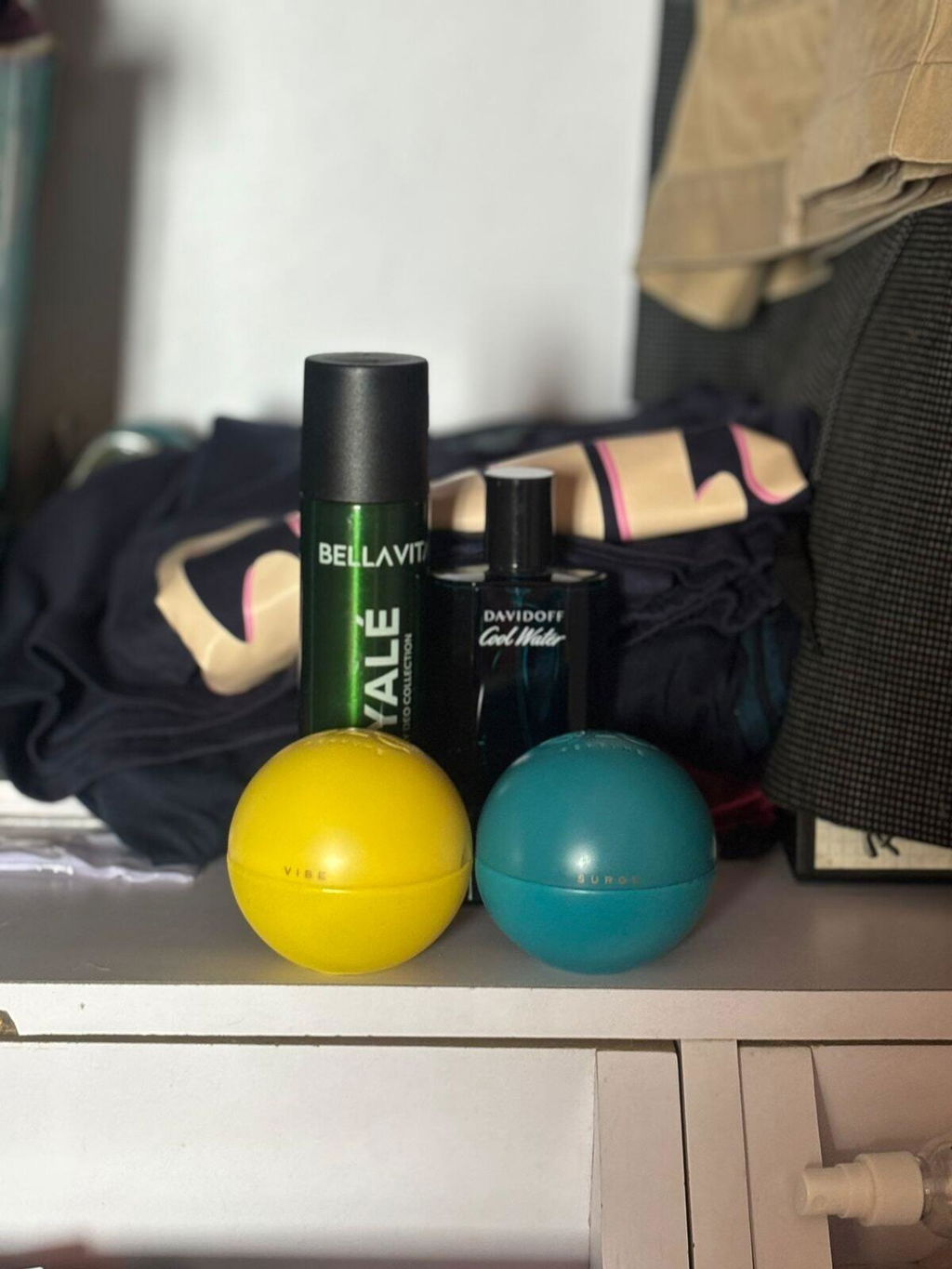
beautiful smelling classic perfume, reminded me of davidoff which i also love

Find us across 2,000 offline stores in India.

Present in 26 cities across India!

India, France, the U.S., the U.K., & More!
Find us across 2,000 offline stores in India.
Present in 26 cities across India!
India, France, the U.S., the U.K., & More!