

Can Perfume Change Your Mood? The Science of Scent and Emotion
The short answer is yes, but not in the way most perfume marketing suggests. A fragrance will not fix a bad day. What it can do is shift the first few seconds of how you feel, and it does that faster than any other sense you have.
The short version
Smell is the only sense wired straight into the emotional brain. That is why a scent changes how you feel before you have even named it, and why the same fragrance does completely different things to two different people.
Choose by feeling
Eze Everyday Wear Perfumes
Full-strength Eau de Parfums built for Indian weather. Pick the one that matches the state you want to be in, not the event in your calendar.
Shop Everyday WearSmell Takes a Shortcut Your Other Senses Do Not
Everything you see and hear takes a detour. Visual and auditory signals pass through the thalamus, the brain's relay station, before they reach the regions that handle emotion and memory. That detour is quick, but it is a detour, and it means a layer of processing sits between the sensation and the feeling.
Smell does not do that. Odour molecules reach the olfactory bulb, and the olfactory bulb has direct connections into the amygdala, which handles emotional processing, and the hippocampus, which handles memory.
That is the whole explanation for something you have experienced but probably never had words for. You react to a smell before you have identified it. The feeling arrives first, the label second. With a photograph or a song, you recognise it and then feel something. With a smell, you feel something and then work out why.
Which Means Mood Response Is Mostly Learned
Here is the part that fragrance advertising tends to skip. There is very little that is universal about which smells make people feel which things.
Vanilla is described as comforting almost everywhere, because almost everywhere it is associated with food, warmth and childhood. But someone who was ill after eating something vanilla-heavy will find it unpleasant for years. The molecule did not change. The association did.
So when a brand tells you a scent will make you feel powerful, what is actually happening is more interesting. The fragrance is not installing an emotion. It is reaching for one you already have and pulling it forward.
This is also why the fragrance your friend adores can leave you flat. You are not smelling the same thing, because you are not bringing the same history to it.
What Fragrance Genuinely Does to a Mood
Three things, and all three are real without being magical.
- It marks a transition. Spraying something is a small ritual that separates before from after. Getting ready for work, getting ready to go out, getting ready to be a different version of yourself for a few hours. The scent becomes the signal that the shift has happened. Rituals do genuine work on state of mind, and this is one of the cheapest available.
- It changes how you carry yourself. Knowing you smell good alters posture, eye contact and how readily you start a conversation. Other people respond to that, and their response reinforces it. Most of what people call a confidence fragrance is this loop, not the molecules. We cover it properly in the confidence effect.
- It reaches memory faster than anything else. The most powerful thing a scent can do to your mood is put you somewhere else entirely, and for a moment, someone else. More on that in scent and memory.
Choosing by Mood Rather Than by Occasion
Most people choose fragrance by event: office, wedding, date. Choosing by the state you want to be in is more useful, because you can change it daily.
| If you want to feel | Reach for | Because |
|---|---|---|
| Awake and switched on | Citrus, anything sharp and green | These are the notes we associate with morning, cleanliness and cold water |
| Steady and unhurried | Soft musk, sandalwood, light woods | Quiet scents that sit close to the skin do not demand attention |
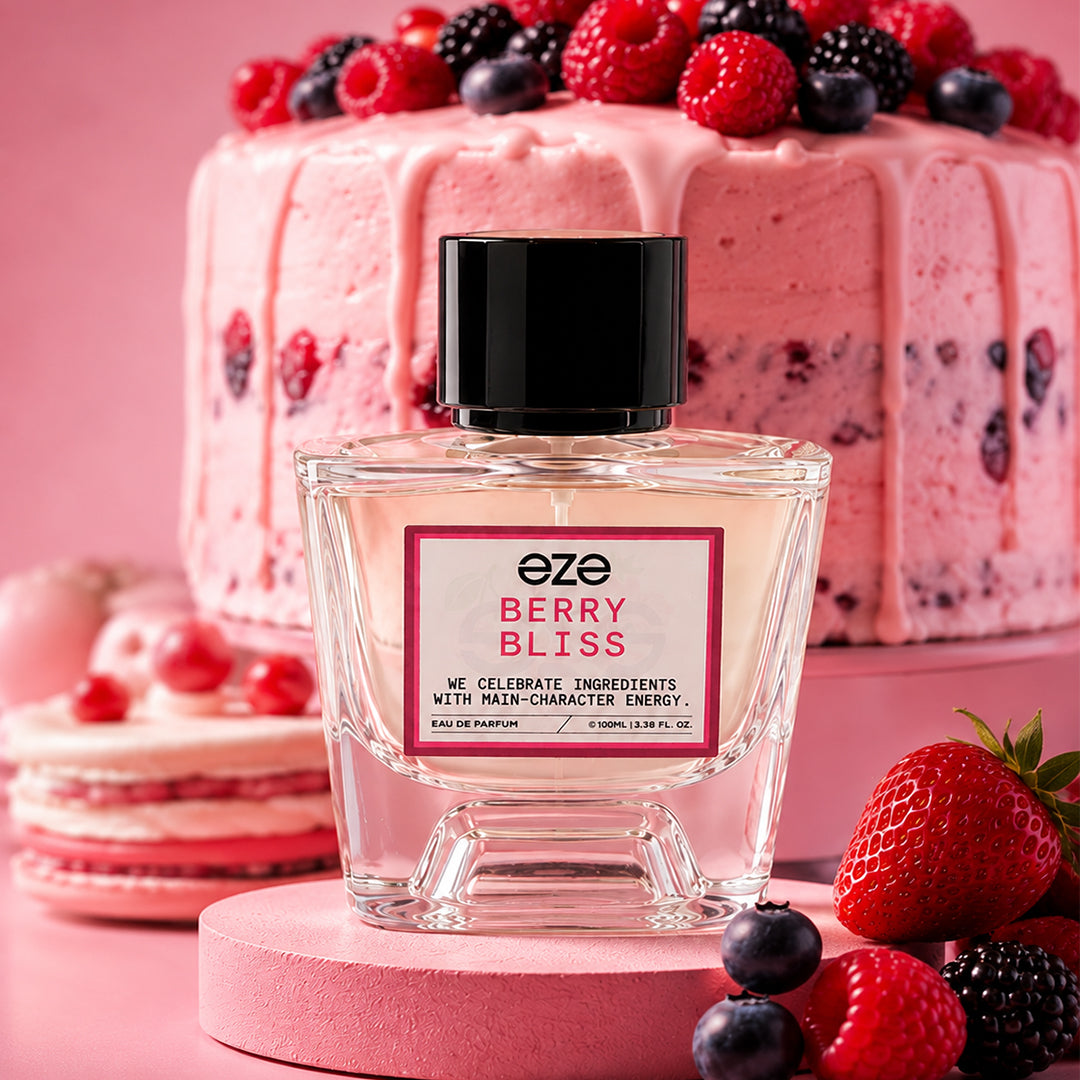
| Comforted | Vanilla, tonka, amber | Warm gourmand notes carry food and childhood associations for most people |
| Noticed | Oud, heavy woods, spice | Heavier molecules project further and last longer, so people comment |
| Lighter than you feel | Fruity florals | The most consistently described as cheerful across cultures |
If those families are unfamiliar, fruity, citrus and gourmand explained covers what each smells like and how long it lasts.
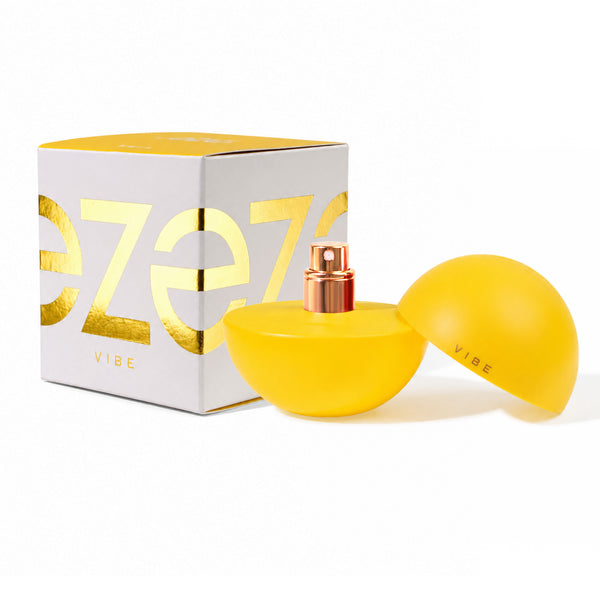
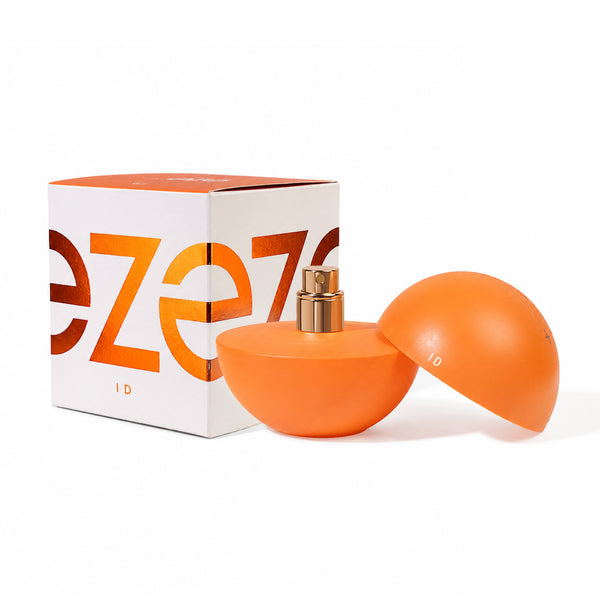
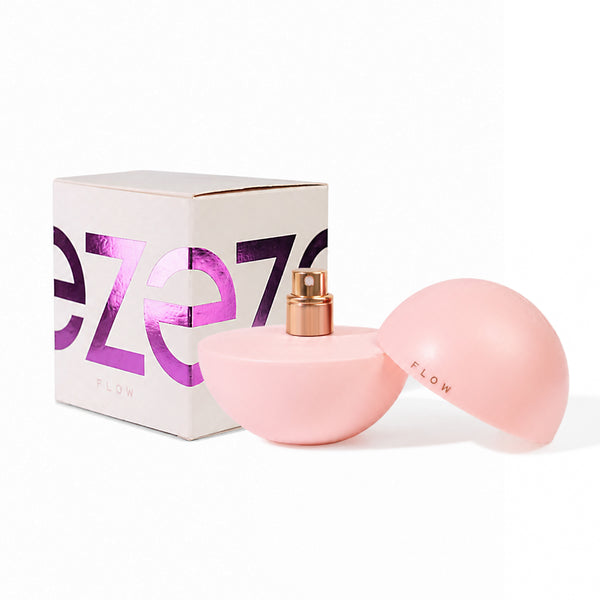
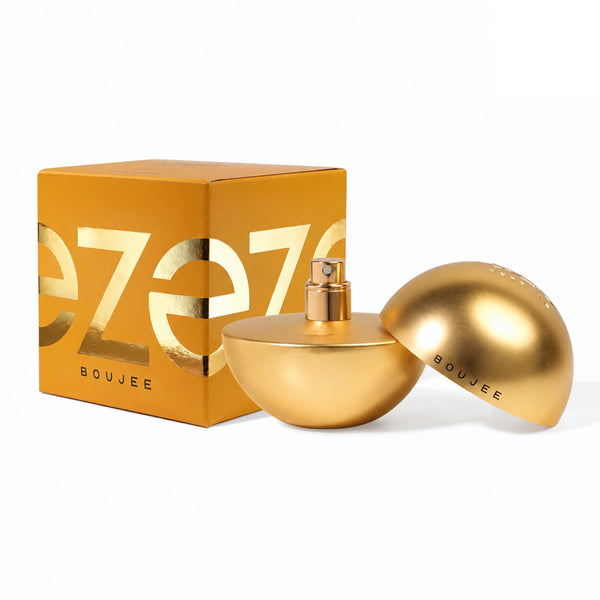
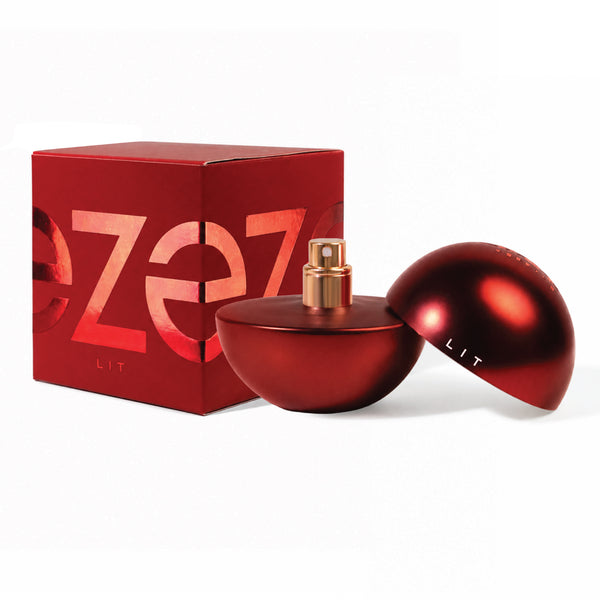
One Eze for Each Row of That Table
All five are Eau de Parfums from the Eze range, built for Indian weather.
The Catch Nobody Mentions
You stop smelling your own perfume within about fifteen minutes. Your olfactory system adapts to constant input and filters it out, which is useful when you live near a bakery and inconvenient when you have paid for a fragrance.
This has two consequences. You will over-apply if you judge by what you can smell, and the mood effect fades for you long before the scent fades for anyone else. If you want the lift to return, you need a change rather than more of the same. This is the argument for owning two or three fragrances rather than one large bottle.
Build a Small Rotation
Two or three Eau de Parfums beat one large bottle, because the lift comes from the change.
Shop NowFrequently Asked Questions
The Short Version
Perfume does not install a mood. It reaches for one you already carry and pulls it forward, faster than anything you can see or hear. Choose for the state you want to be in, keep two or three in rotation, and stop judging the dose by your own nose.
Browse everyday wear perfumes and all Eze fragrances.
The Emotions Series, five pieces on what fragrance does to how you feel:
Tags:
Previous
Rakhi Gift Hampers: What Actually Belongs in a Good One
Next
Aromatherapy vs Perfume: Can Your Fragrance Actually Calm You Down?