

Scent and Memory: Why One Spray Takes You Back Years
You walk past someone and a smell stops you. Not a thought, a physical stop. For a second you are eleven years old in a room you have not been in for twenty years, and you cannot name the scent or the room, but you are there.
Then it passes, and you are on a street again, slightly shaken by something you did not choose.
The short version
Smell reaches memory and emotion without the processing step every other sense goes through. That is why a scent does not remind you of a moment, it briefly returns you to it.
Why Smell Triggers Memory More Powerfully Than Sight or Sound
The Direct Route to the Hippocampus
Odour signals reach the olfactory bulb, which connects directly to the hippocampus, where memories are formed, and the amygdala, which handles emotion. Sight and sound are routed through the thalamus first. Smell largely is not.
Why an Old Photograph Cannot Do the Same Thing
The memory arrives without the usual processing, and it arrives with its emotion attached rather than reconstructed. That is the difference you feel.
The whole difference, in one line
Looking at an old photograph, you remember the day. Smelling something from that day, you are briefly in it.
Why Scent Memories Almost Always Feel Older
The Childhood Bias in Odour Memory
Odour-triggered memories skew earlier in life than memories triggered by words or images. Ask someone for a memory prompted by a song and you will often get their twenties. Ask for one prompted by a smell and you will more often get childhood.
The likely reason is simple. You met most smells for the first time when you were very young, before you had much language, and those first encounters were never overwritten. The first time you smelled wet earth after rain, or a particular kind of sweet, or your grandmother's cupboard, that is the version that stuck.
Why a Fragrance You Wore for Years Carries More
This is also why the effect fades with age of exposure. A fragrance you first wore last year carries very little. One you wore for three years in college carries a great deal.
The Scent Memories Almost Every Indian Shares
Some of this is universal, and a lot of it is not. The strongest memory triggers are regional, because they come from a shared childhood rather than a shared species.
- Petrichor, the first rain on dry earth. Probably the most widely shared scent memory in the country.
- Mogra and jasmine, gajras, temple flowers, weddings.
- Sandalwood and incense, which for most people go straight to a specific room rather than a general feeling.
- Cardamom, ghee, frying spices, which carry the strongest food memories because they were in the air rather than on the plate.
- Old paper and new textbooks, the smell of the start of an academic year.
None of these are perfume notes in the conventional Western sense, which is precisely why fragrance built here lands differently on people who grew up here.
Kannauj and the History of Indian Perfumery
Deg-Bhapka, Ruh Gulab and Mitti Attar
India has been making fragrance for a very long time, and Kannauj has been at the centre of it for centuries. It is the home of deg-bhapka, a distillation method that predates modern perfumery by a long way, and of ruh gulab and mitti attar, the last of which is literally the smell of first rain on earth, distilled.
Think about what that means
Somebody looked at the most powerful shared scent memory in the country and worked out how to bottle it.
Eze, Sawai Fragrances and the City Collection
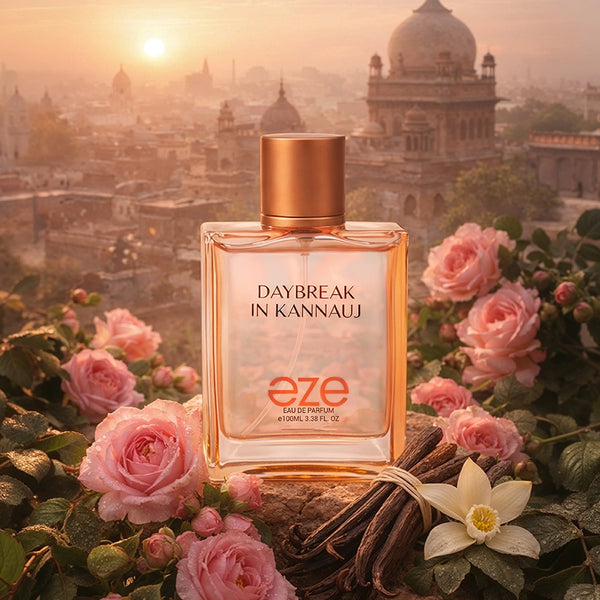
Eze's roots run back to Sawai Fragrances, founded in 1965, which is six decades of working with these materials. That is the reason our city collection exists, including Daybreak in Kannauj. Those are not fragrances designed around a marketing brief. They are built around places and the memories attached to them.
Six decades in Indian perfumery
Fragrance Built Around Places
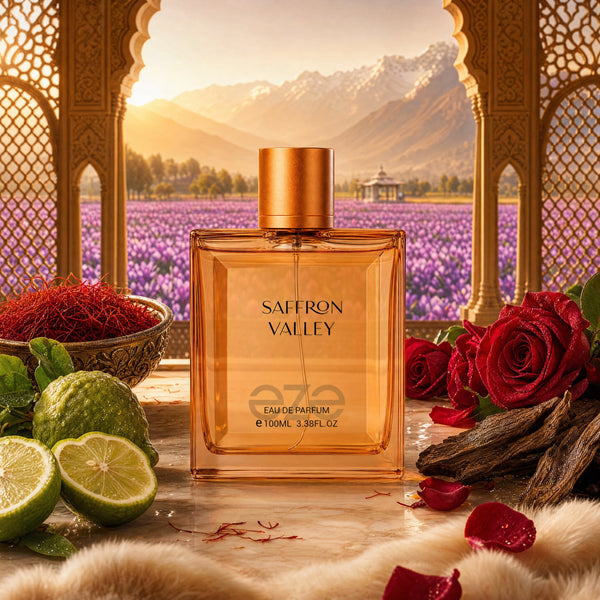
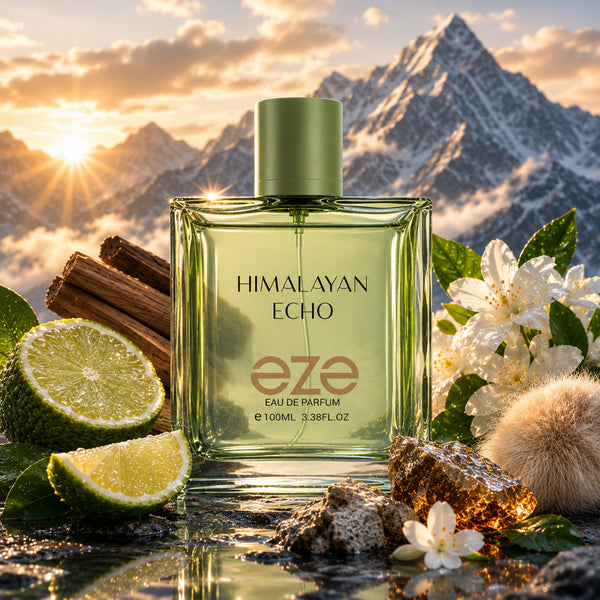
100ml Eau de Parfums composed around a city and the memories attached to it, from a house with roots in Sawai Fragrances since 1965.
Shop City CollectionThe Eze City Collection
Three Eau de Parfums Built Around a Place
Browse the Full City Collection
How to Create a Scent Memory on Purpose
You can do this deliberately, and it is one of the few genuinely useful things to know about fragrance.
The Four Step Method
- Choose a fragrance you have never worn before. New is essential. Anything you already wear is carrying other associations.
- Wear it only during one specific period. A trip, a first job, a year, a relationship.
- Stop wearing it when that period ends. A scent worn continuously becomes background and stops encoding anything.
- Put the bottle away. Years later, one spray takes you back with a clarity no photograph will manage.
Why Stopping Is the Part That Matters
Step three is the one people skip, and it is the one that does the work. The isolation is what makes the memory stick. People do this instinctively with holiday fragrances. Doing it on purpose, for a period you know you will want to remember, is one of the more quietly remarkable things you can do with a bottle of perfume.
Scent and Memory FAQs
The Short Version
Smell is the only sense that hands you a memory with the feeling still attached. You cannot choose when that happens, but you can set it up in advance. Wear one new fragrance through one period you know you will want back, then put the bottle away.
Browse the city collection and all Eze fragrances.
The Emotions Series, five pieces on what fragrance does to how you feel:
Tags:
Previous
Citrus Perfumes: The Fastest Mood Lift in Your Wardrobe
Next
The Confidence Effect: Why the Right Perfume Makes You Walk Taller